Made to measure
Successful treatments rely on the correct active dose rate being applied in the right target water volumes. It’s also a legal requirement not to exceed product dose rates.
A fundamental part of the job, it requires a correctly calibrated sprayer and accurate measurement of the required amount of water and product. But it’s also an area where some operators may overlook.
Correct calibration is crucial. All operators should regularly check nozzle flow rates (litres/min) against the outputs published by the nozzle manufacturer. The NSTS test permits a tolerance of +/- 5% of the manufacturer’s stated output.

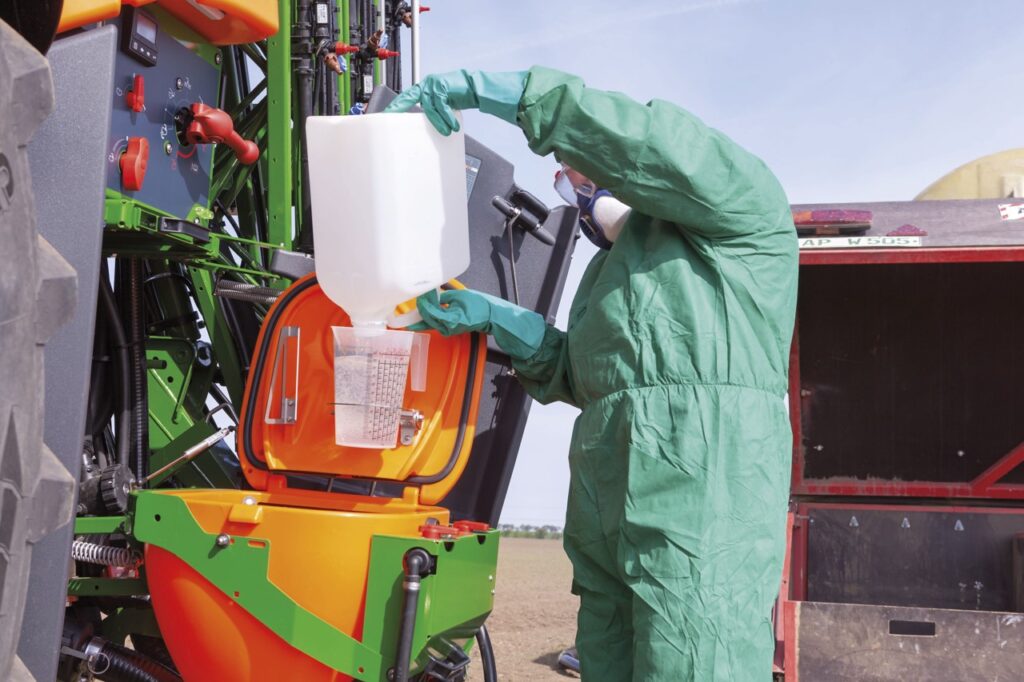
When checking nozzle outputs, however, it’s important to do this accurately using a proper measuring jug. Some operators prefer to use a measuring cylinder, similar to those used by NSTS testers, because they typically have an accuracy of +/- 1%.
But unless the product is precisely measured into the water there’s a risk of under- or over-dosing. At the same time, however, it’s important to ensure it goes into exactly the right volume of water.
This means accurate filling and mixing relies on operators ensuring that not only products are measured precisely but also the right amount of water in the tank.
Check the contents
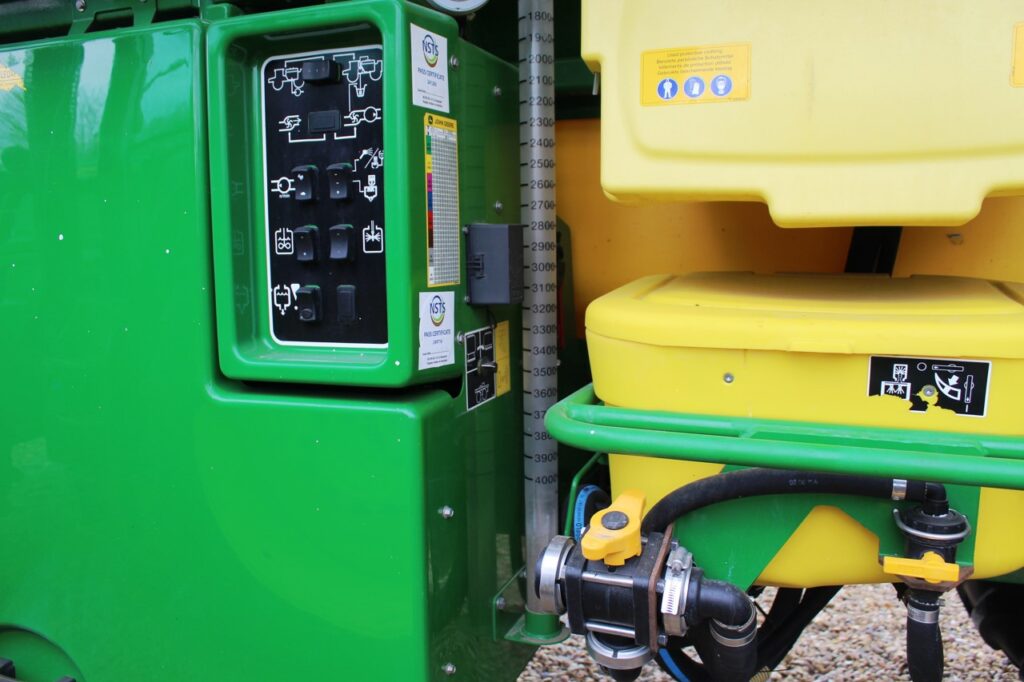
The NSTS test requires the tank contents gauge to be legible. But just because you can read it doesn’t necessarily mean it’s correct. When was the last time you checked the gauge against the actual content filled?
While a useful indicator, few gauges are 100% accurate and as technology moves on, more operators are now fitting flowmeters or using auto-fill systems. Again, these do need checking, but tend to be much more accurate than sight gauges.
Any stained hoses should be replaced. With both these types, sprayers need to be level to ensure the contents scale are useful. For accurate results they must also be read when the sprayer is level – or in the position determined by the manufacturer.
Measuring vessels
Most operators will fill actives using measuring jugs, but care is needed here because the gradation markings can vary by +/- 10%.
For optimum accuracy, stained jugs should be replaced with new vessels designed for the job. But be sure you check the scales, even on new jugs, against a measured known quantity. It’s worth noting 1,000ml of water weighs 1kg – and this is an easy way to check the accuracy of the markings.
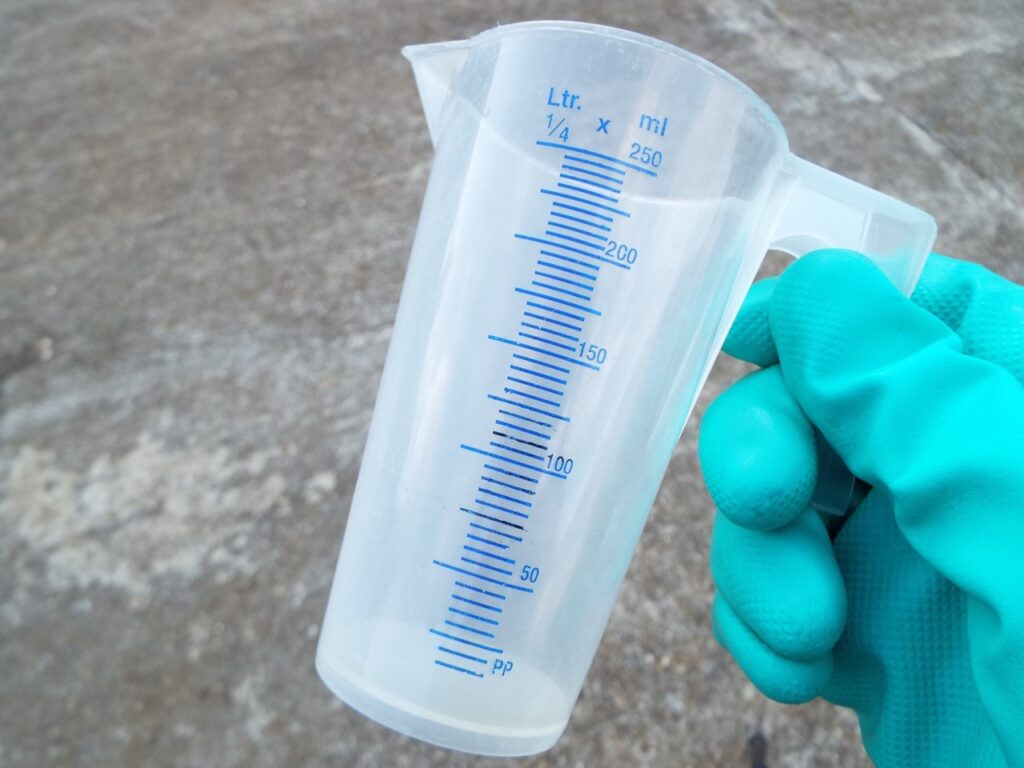
While many chemical containers come with gradation scales on the outside, they are not the most accurate way of measuring, particularly smaller amounts. It’s far better to use jugs, but also important to select the right tool for the job. Where only small quantities of product are needed a 250ml jug provides good accuracy with 50, 5ml gradations.
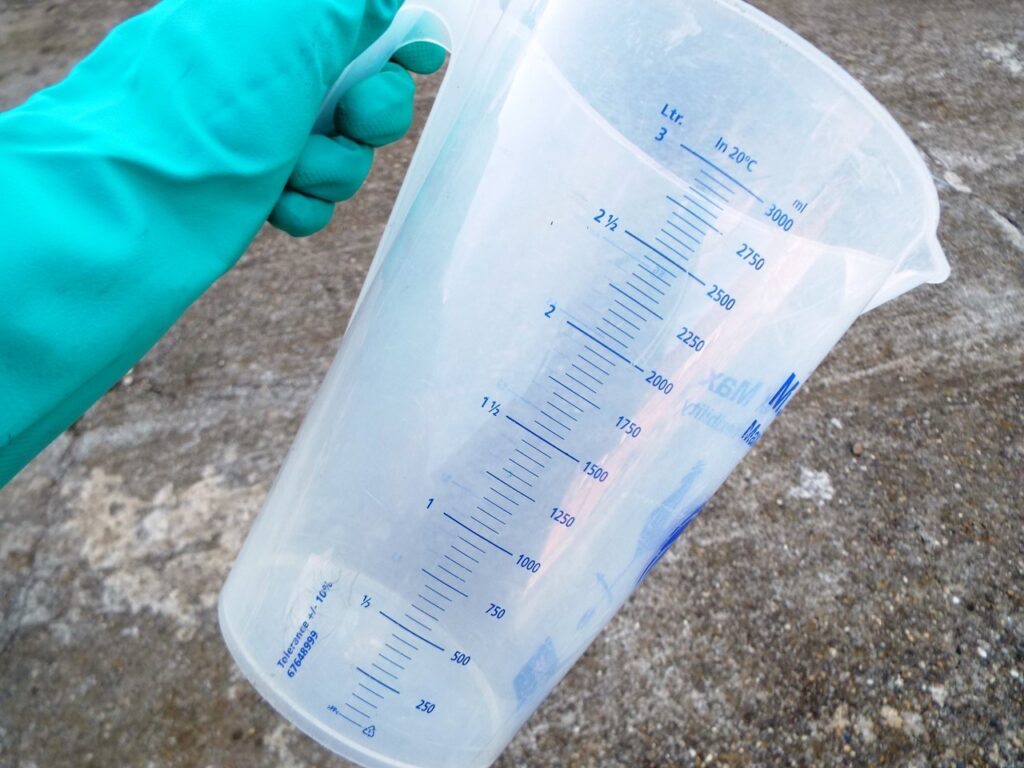
This compares with a large 3-litre jug that, for example, has just five gradations between 0 to 250ml.
Weigh granules
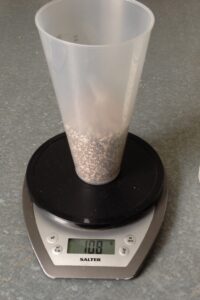
Although many granules are supplied with a specific measuring vessel for the product, these can vary in accuracy by +/- 10% and are not particularly accurate.
A far better, more accurate way to measure granules is by weight. This is particularly important for highly concentrated actives, which are applied in very low doses from 42gm/ha and even down to 6gm/ha in 1,000 litres of water.
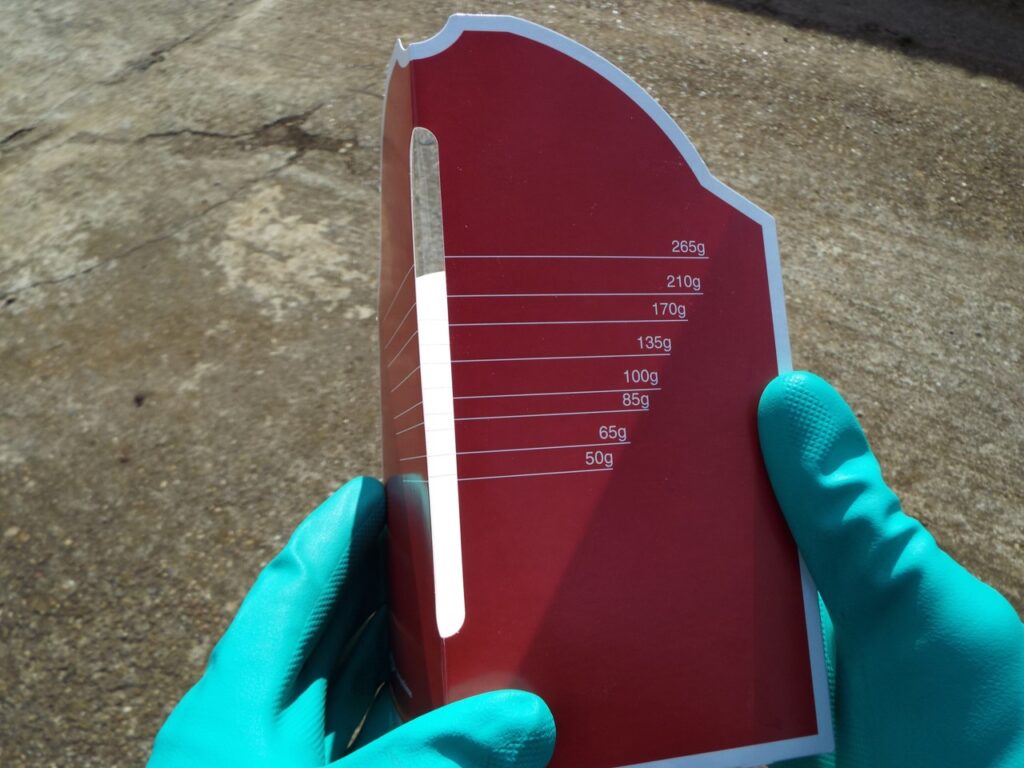
If you do use the vessel supplied, it’s important to use it only for that specific product and no other. This is because granular products’ bulk density can vary significantly.