Prepare to apply slug pellets with care
Although metaldehyde has now been withdrawn and largely replaced by ferric phosphate-based products, it is still vital this is also applied carefully to protect water and wildlife.
It’s also essential to check and calibrate applicators before use. Indeed, since November 2016 all applicators more than five years old need to be tested and then retested after every six years.
Farm assurance schemes also stipulate that slug pellet applicators are calibrated whenever there is a change of product – not just a change of active ingredient. Calibration records need to be kept for at least two years.
Testing times
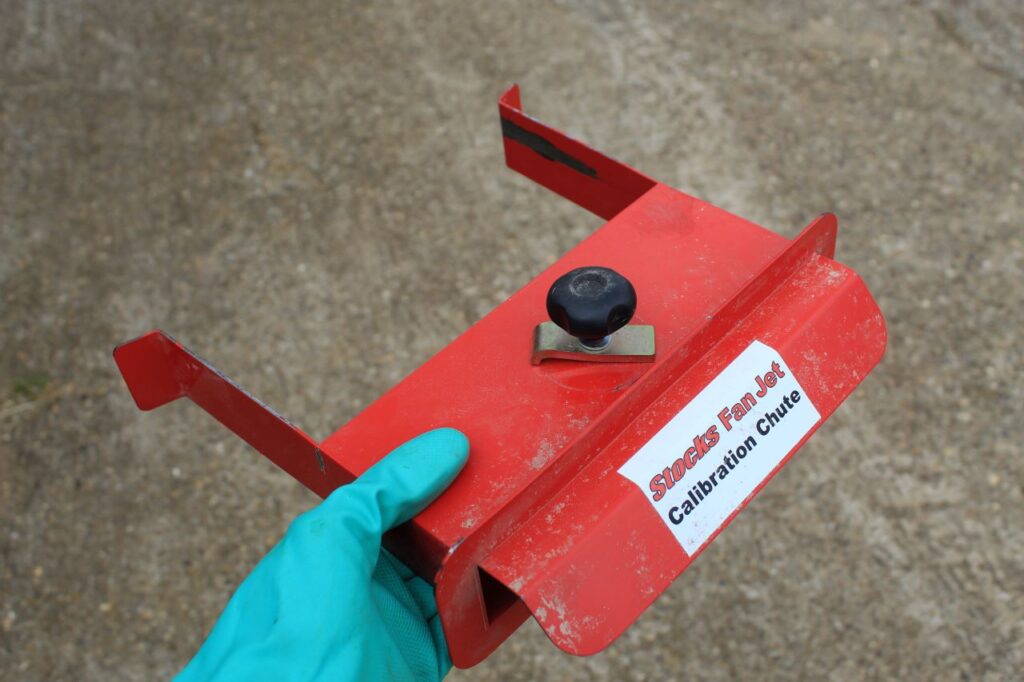
All pellet applicators, just like sprayers and spreaders, should be maintained, adjusted, calibrated and tested before use. This will help to ensure accurate applications for the rate/ha as well as assess the distribution across the spread width.
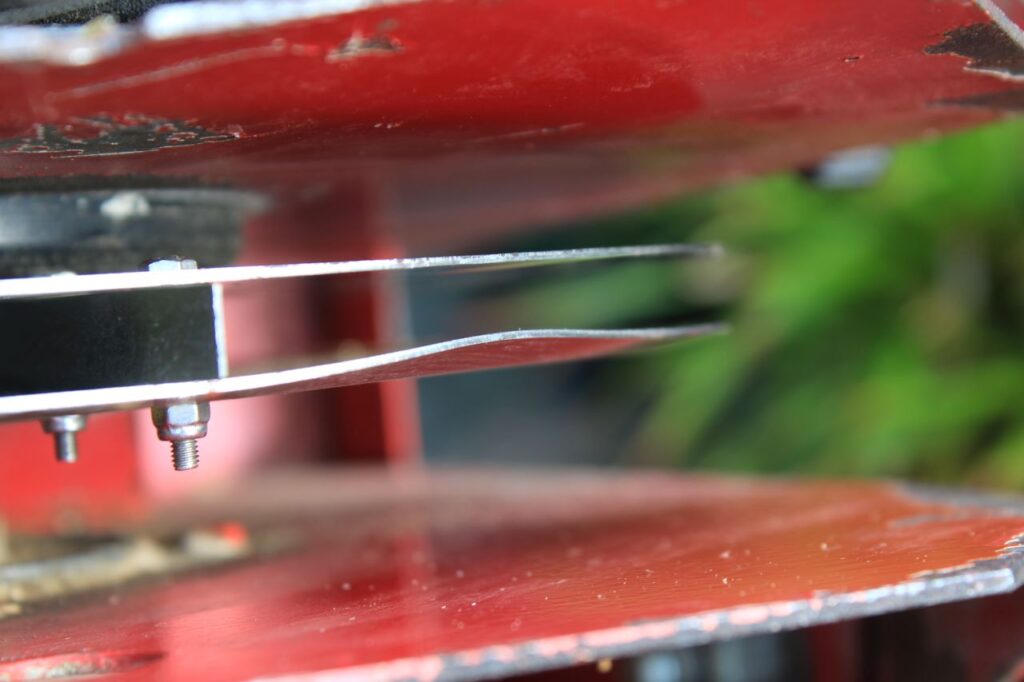
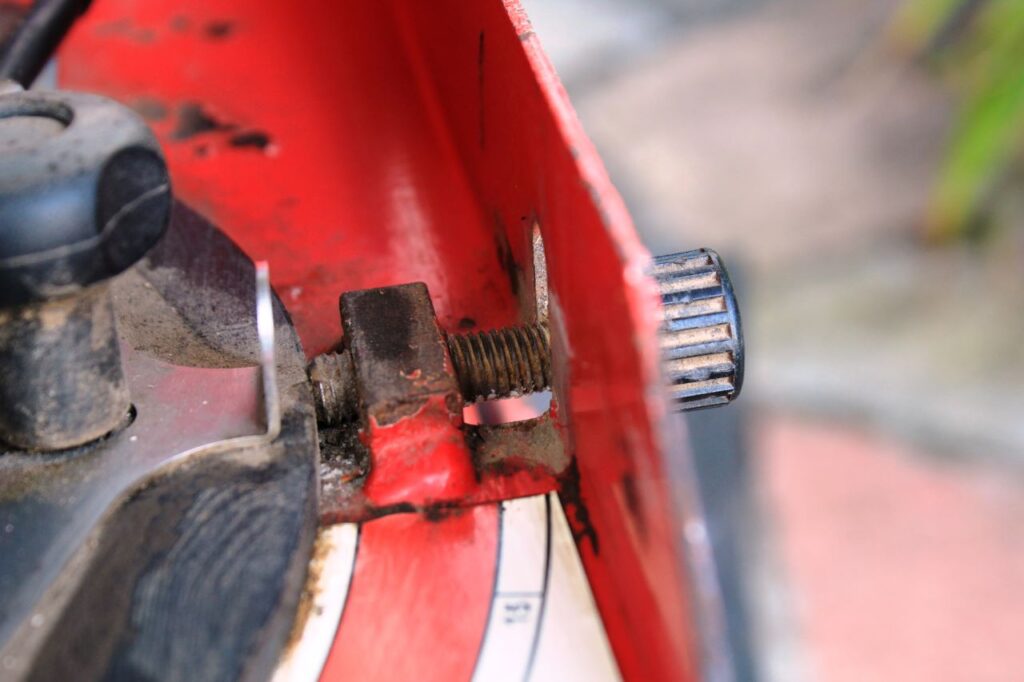
NSTS test results show that most big problems are found on disc broadcasters. Commonly reported faults include damaged discs and vanes, seized bias adjusters and shutters not opening and closing correctly.
Damaged discs cause uneven distribution across the spread width and need replacing.
All these faults will effect field performance, cause uneven spreading and ultimately leave crops unprotected, waste products and possibly cause unnecessary pollution.
Seized bias adjusters will limit the ability to alter the spread pattern of an applicator.
Disc spreader checks
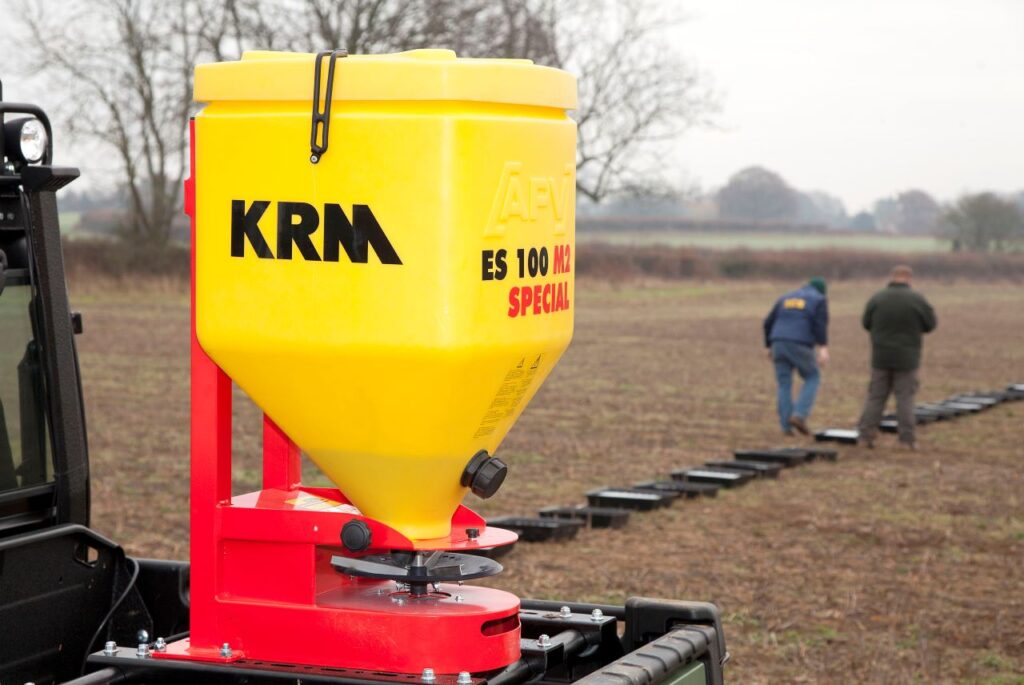
Slug pellets are most commonly applied by relatively low cost disc spreaders. These usually use a single spinning disc, which is gravity fed from a small hopper, via an adjustable opening at its base. Some have gravity fed feed rollers prior to the disc to improve flowrate consistency.
Applications can, however, be significantly impacted by weather conditions, particularly by wind and humidity during spreading. They must also be used with caution to apply pellets at about widths greater than 20m.
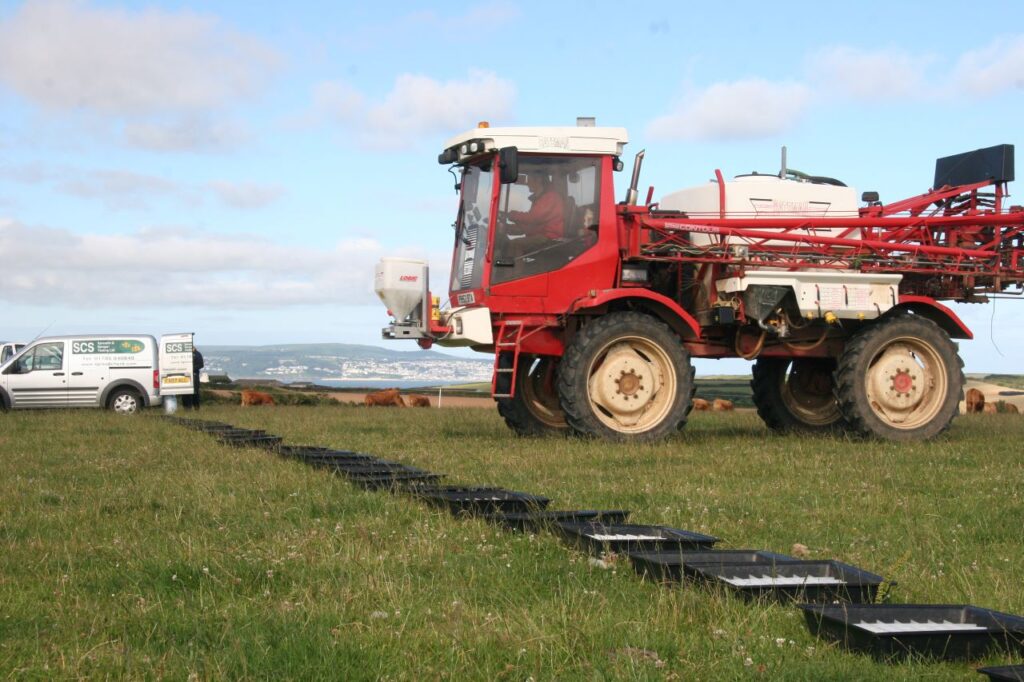
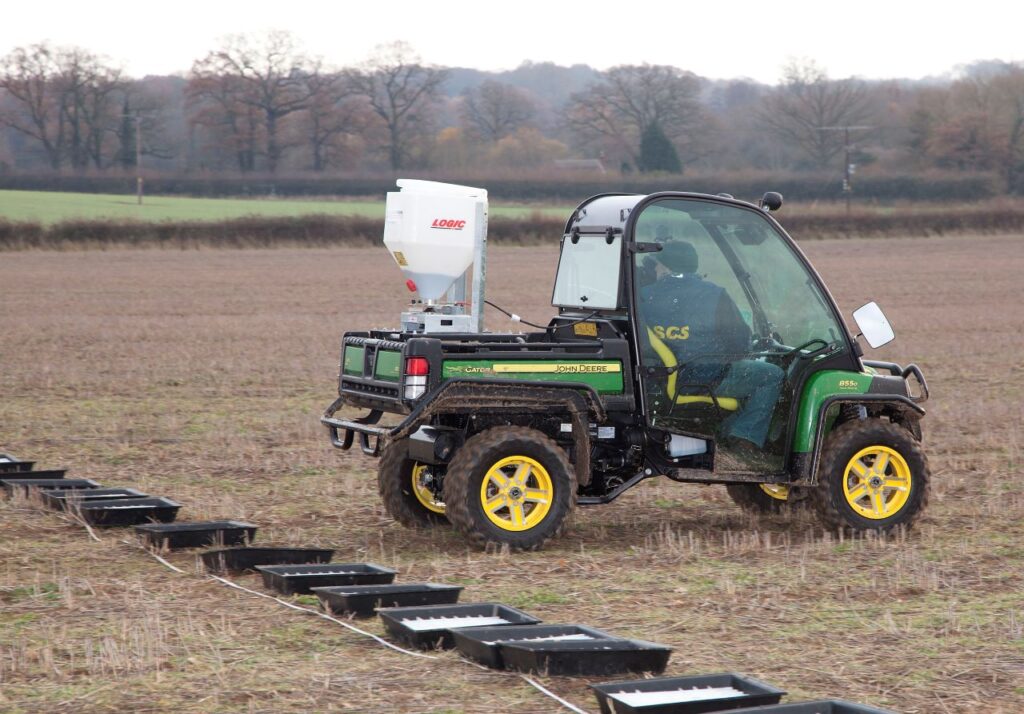
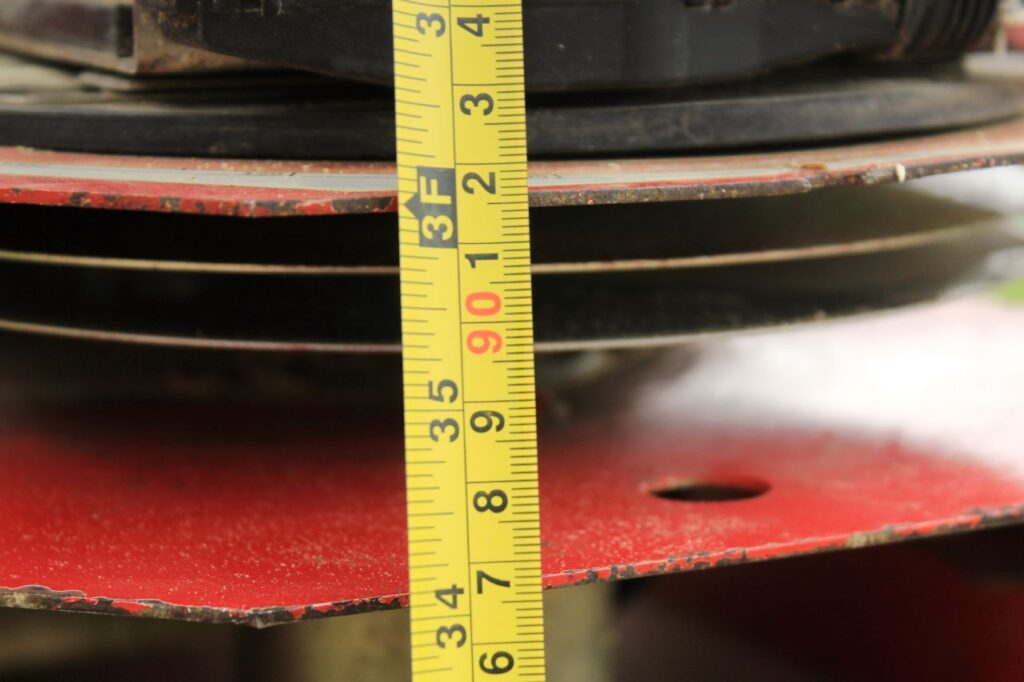
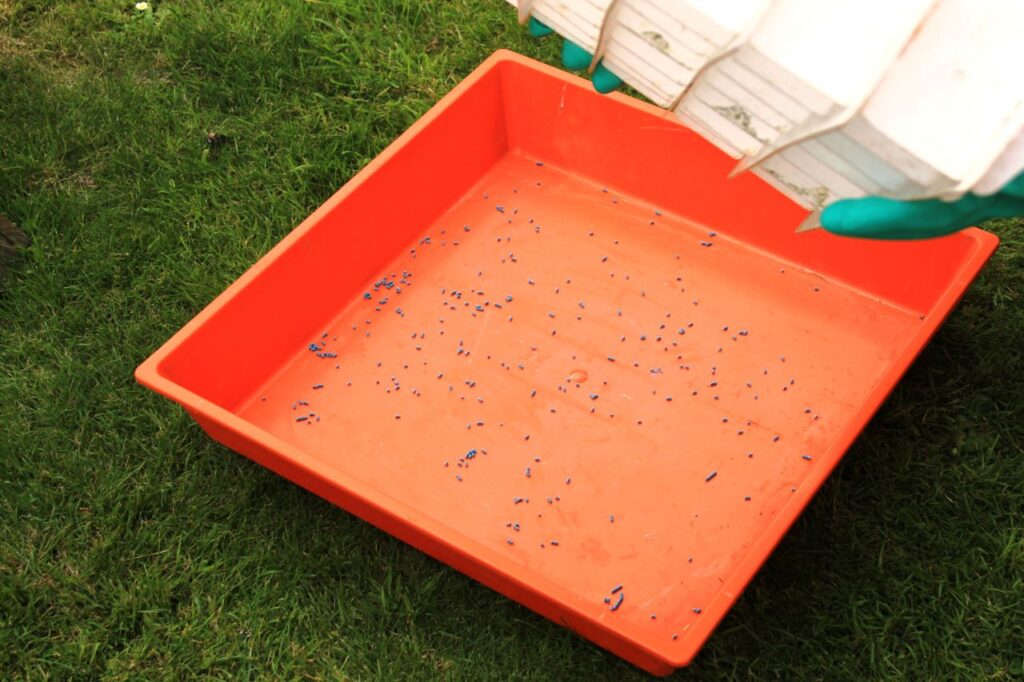
As well as checking the machine is securely mounted, it needs to be level and the disc set at the desired height above the target. The most suitable height is best determined by a tray test, with the pelleter working and set to the desired spread width. Usually the spread width increases with disc height.
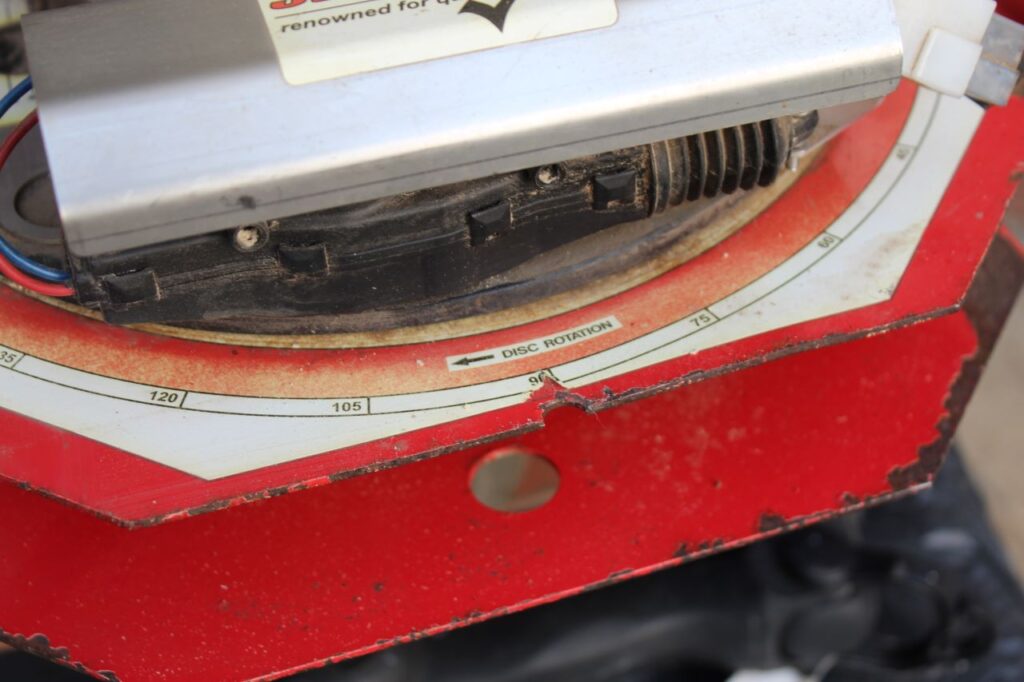
Check disc rotation – they can turn in the wrong direction if wired up incorrectly.
Pneumatic applicators
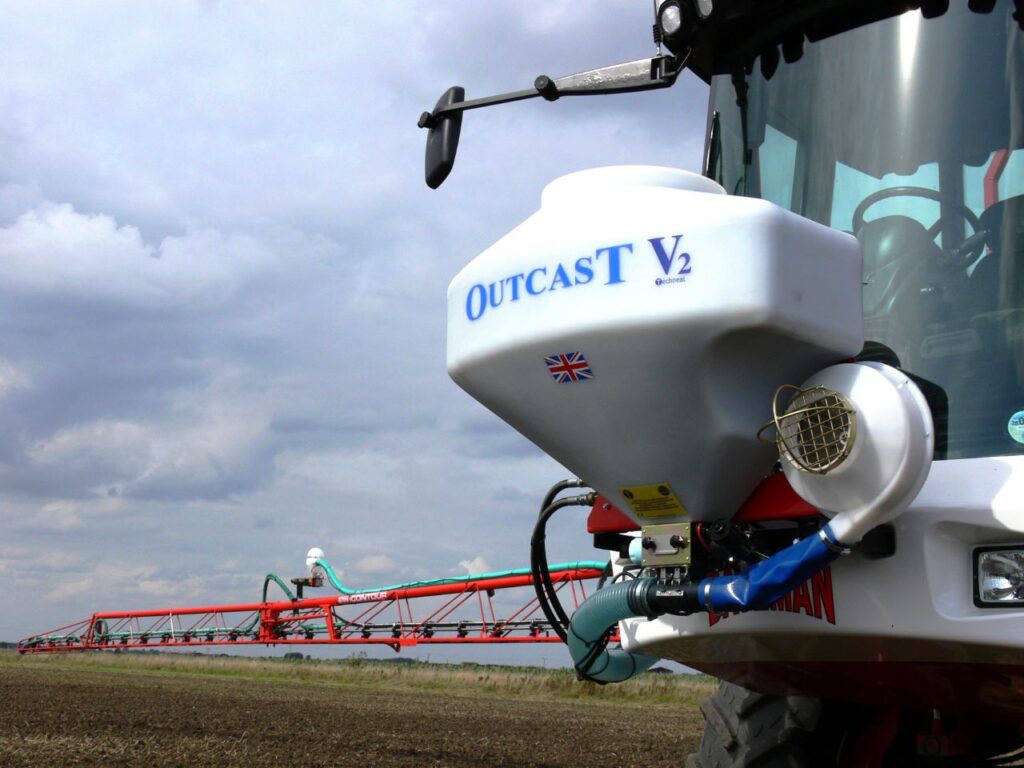
On pneumatic spreaders slug pellets are metered from a hopper into a flow of air that carries them to a spreading mechanism. While significantly more expensive than basic disc spreaders, they will achieve a uniform spread of pellets across the working width in a wide range of weather conditions.
As with disc spreaders, these units must be securely fitted to machines and the spreading device, typically a spreading plate, undamaged to achieve a uniform spread of pellets. Also check for damaged or deteriorated pipework and the air flow from the fan is sufficient to spread the pellets.
Know your pellets
Accurate and consistent spreading requires operators to carefully set the applicator to take account of the type and properties of pellets being applied. You must also make necessary adjustments for each and every product being used.
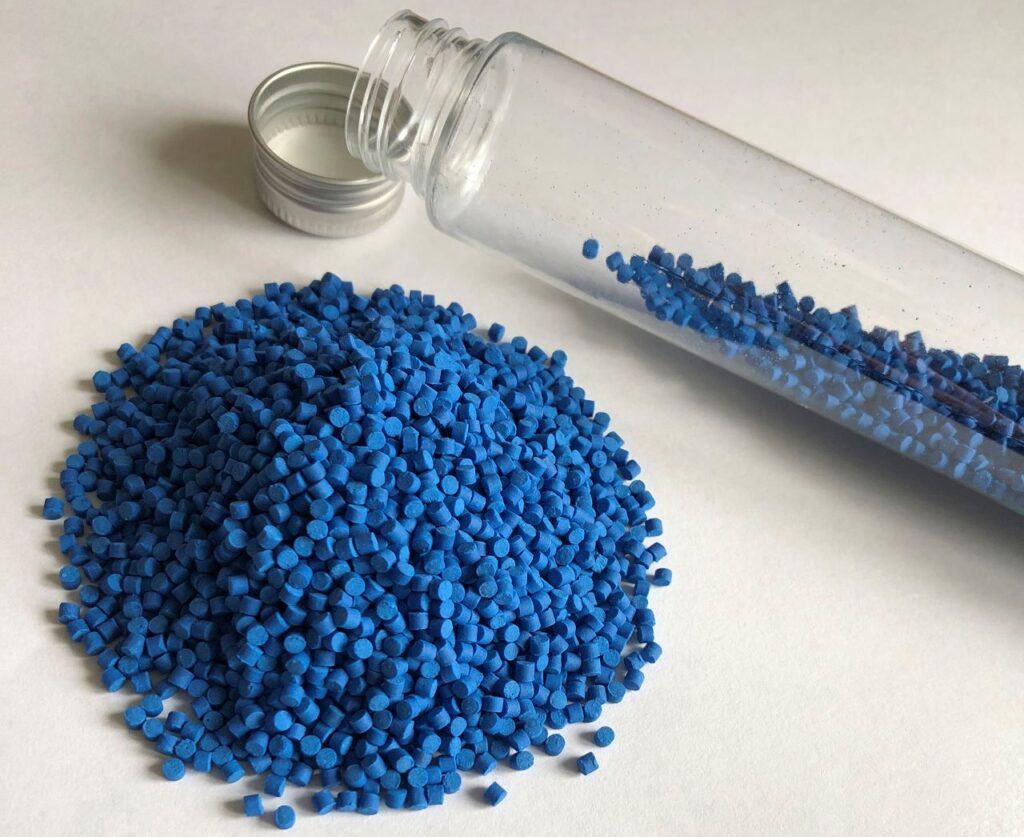
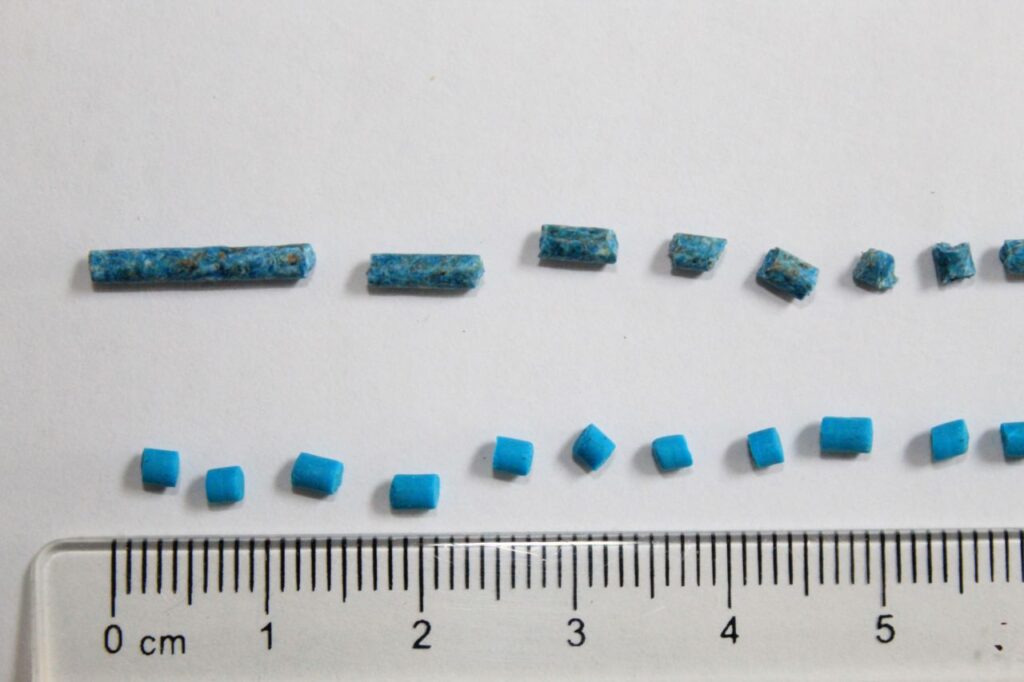
There are big differences in the size and shape of pellets between products. While most ferric phosphate slug pellet products contain the same concentration of active ingredient – 3% w/w – they can have completely different physical properties.
Pellet size matters
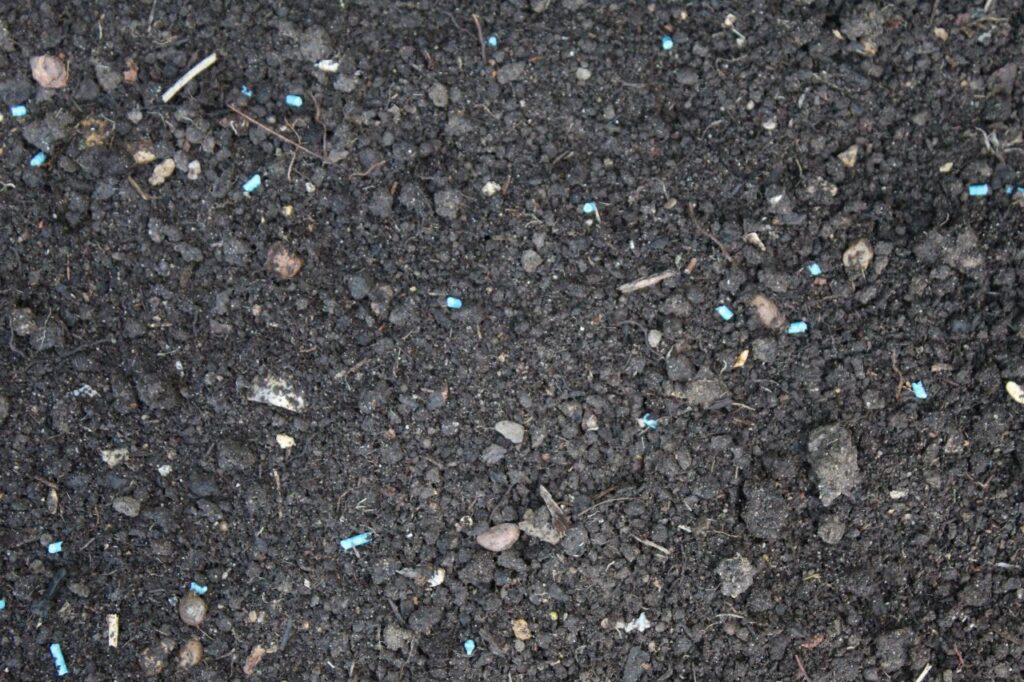
Ferric phosphate pellets are typically sold in two sizes. Some come in a small pellet form – a ‘mini pellet’ – that offer a relatively high number of slug baiting points (about 90 pellets/m2 at 7kg/ha). Other ferric phosphate products are sold in a larger pellet form, sometimes called a ‘standard pellet’, but achieve fewer slug baiting points (about 45/m2 at 7 kg/ha).
More baiting points are recommended where there is a high risk of slug incidence, while the larger pellets weather better and are recommended for when a greater duration of control is required.
Check the bag size
Slug pellets are sold in a range of bag sizes. Many manufacturers package pellets in either 15kg or 20kg bags, although some products are sold in 16kg bags. Operators applying products on a ‘bags per field’ or ‘hectares per bag’ basis must ensure they take account of any bag size differences.
Calibration counts
Given the differences between products it’s vital applicators are calibrated for every different product being used. In gravity fed broadcast disc applicators, the flow rate of larger pellets is likely to slower than smaller pellets. As a result, spreader apertures will need to be greater for larger than smaller pellets.
Many product manufacturers provide useful machine setting guides. These, however, should be regarded as only a starting point for a proper calibration of the machine with the actual product being applied.
Even distribution
It’s also important to check the evenness of pellet distribution and the actual spread width. A tray test is the only method that can accurately determine evenness of the spread pattern and this must be done with the actual pellets being used. Keep records of the test and settings.
Keep it clean
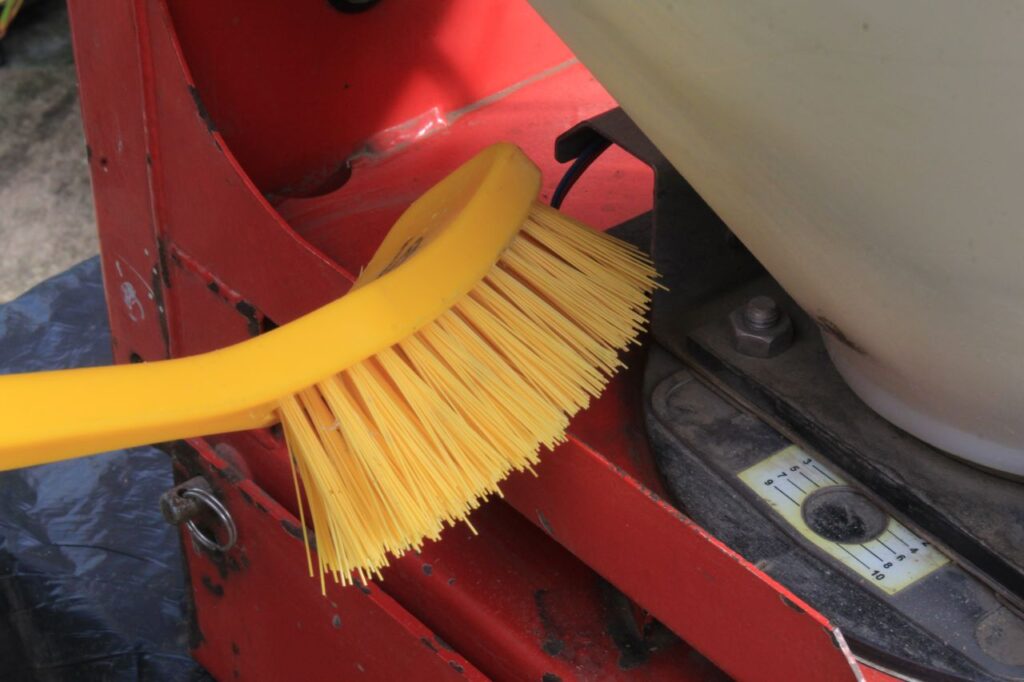
After spreading, clean the machine with a brush to remove all pellet residues in the field, which prevents off-target contamination on headlands and during transport back to the yard.
Operators should take great care to ensure they clean and, preferably, keep the machine undercover between jobs.
Safe storage
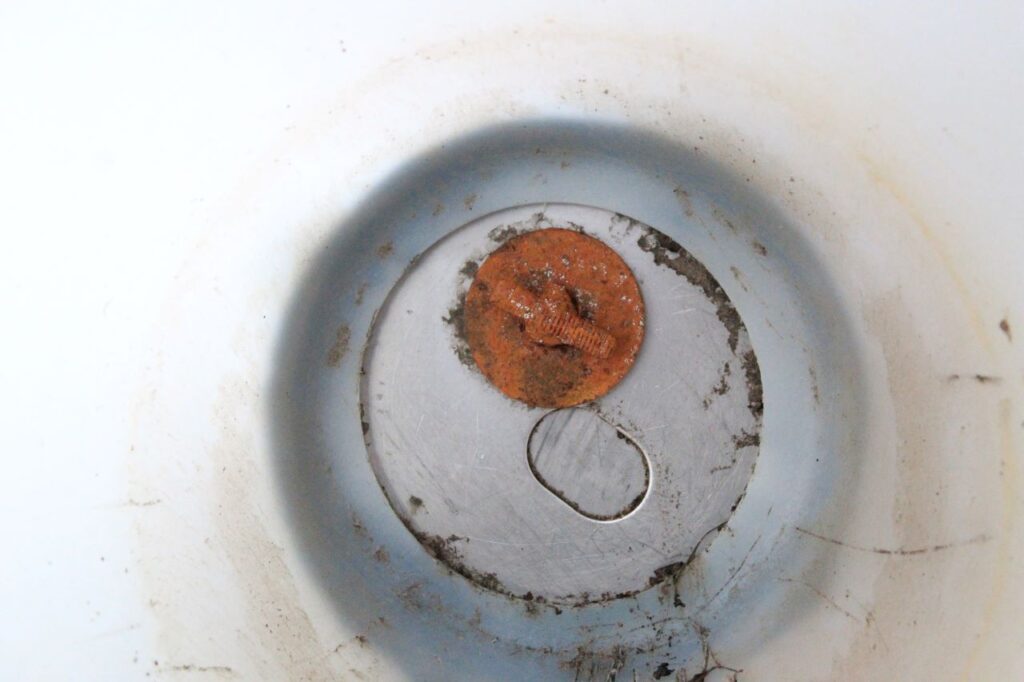
Once cleaned applicators should securely stored undercover. Ideally, when not in use they should also be removed from other machines on which they are mounted. If this isn’t possible try to cover them to prevent damage from rain. Never jet wash a pelleter – the water is likely to damage wiring and electrical components and cause rust.
Rust will prevent shutters working properly and will stop it from turning on and off.