
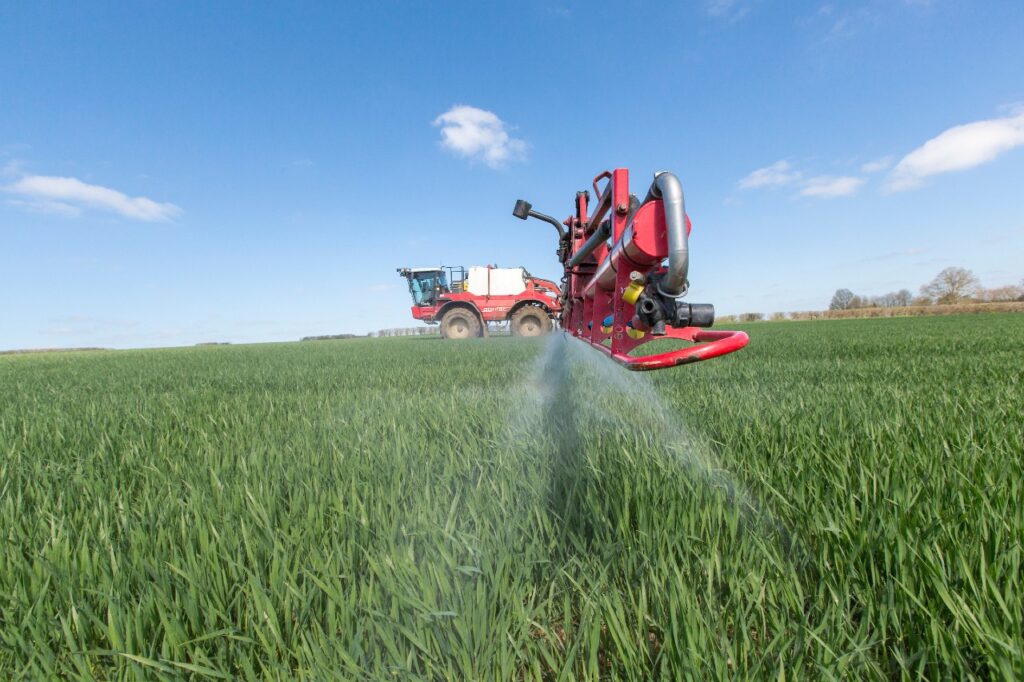
Top tips for post-em spraying success
Before applying post-emergence herbicides it’s important to assess the level of emerging weeds in the crop and make a decision on whether or not to spray and the herbicide to use.
Weeds may already be competing with the crop, while some post-emergence herbicide products require the weeds to be actively growing to be effective. This can make the timing of applications more difficult, particularly if applying herbicides relatively later in the year. These treatments can, however, be used in a tank mix with other pesticides to optimise work rates.
Application challenges
Post-emergence weed control sprays in cereals can present some significant spray application challenges, because they need to target growing weeds in a rapidly emerging crop.
Initially, the weed targets are small and upright, which makes them a difficult target to hit. However, when the crop is at an early growth stage (GS11-12) weeds can be openly exposed to spray droplets. As the crop grows, existing and newly emerged weeds may be shaded below the larger crop canopy – making them harder to hit.
It is important, therefore, to properly assess weed size and crop structure to determine the optimum application technique.
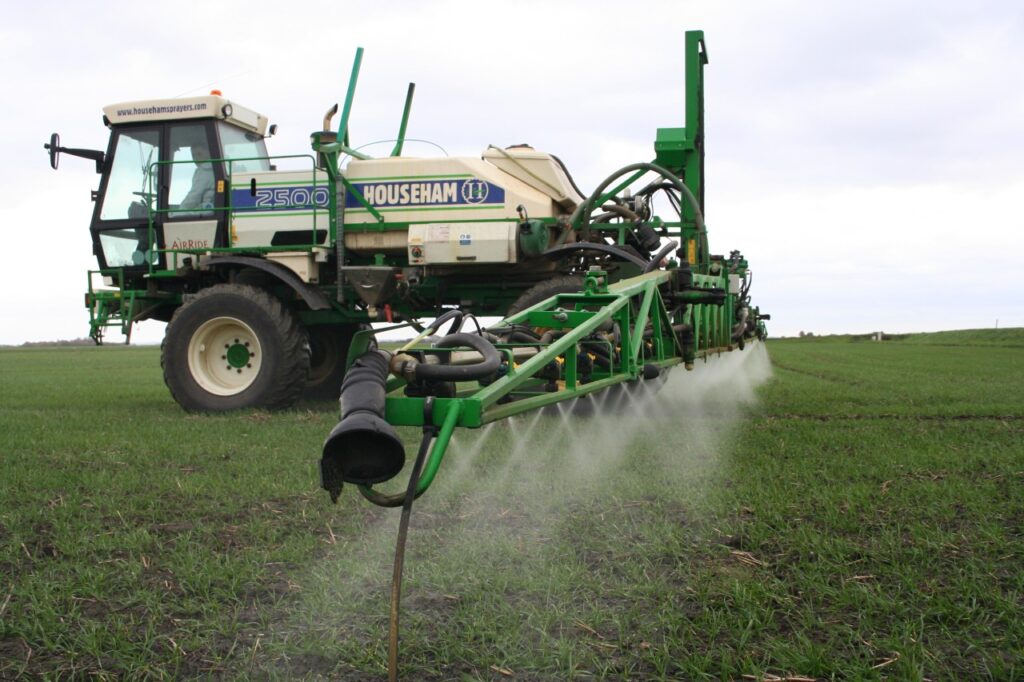
Angled spray nozzles can often hit small and upright weeds more effectively and are best suited for early post emergence sprays. Only one or two droplets are typically needed to hit the target, but each one needs to contain sufficient active ingredient to kill the weed.
Using lower water volumes (100 litres/ha) will ensure each droplet will contain more of the product and achieve control. However, the optimum fine to medium droplets needed to hit the target, are more prone to drift. Care is required to minimise the risk of drift, which can be reduced by operating at slower forward speeds of 10-12km/h and maintaining the boom height at 50cm.
Recommendations – post-emergence herbicide for earlier applications:
- Angled nozzle 3D Nozzle (Alternating forwards and back)
- 100 litres/ha
- Medium droplets
- Less than 12km/h
- 50 cm boom height
- Amistar / GuardianAir nozzle for compromised situations
As the crop grows to a later growth stage, such as stem extension and ear emergence, a switch to vertical nozzles, such as the Amistar or GuardianAir, will help to improve penetration – getting the spray down through the canopy and target weeds beneath. The lower water volume of 100 litres/ha should be maintained.
For later applications these nozzles, which produces coarser, near vertical spray pattern, are able to better reach weeds lower in the canopy. The use of a coarser nozzle will also help minimise the risk of drift, but forward speeds need to be kept as low as practicable.
Recommendations – post-emergence herbicides for later applications:
- Coarser droplet
- Vertical spray pattern (Amistar / GuardianAir nozzle), alternating forwards and back
- Angled 3D nozzles
- 50 cm boom height
- 100 litres/ha
- Less than 12km/h
This article is part of a lesson in the detailed Targeted Applications Course, worth six NRoSO/BASIS points. You can find the course using the link below.