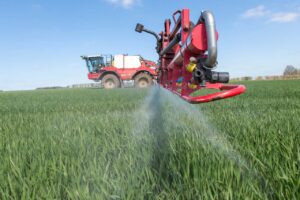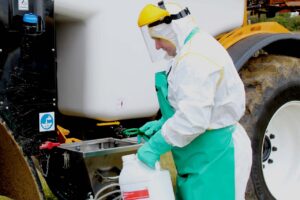
Assess the risk before you spray
Before applying pesticides operators are legally required to assess any potential impacts to wildlife and the environment and any take any necessary protective measures.
This is an area where conservationists and the public remain vigilant, and all those involved in the planning and use of crop protection products (agronomists, growers and operators) should be aware of the legal requirement to protect the environment from accidental harm.
Numerous pieces of legislation impact on pesticide use, and a number of these cover the requirement to prevent any harm to wildlife and the environment. The most well-known is the Plant Protection Products (Sustainable Use) Regulations 2012.
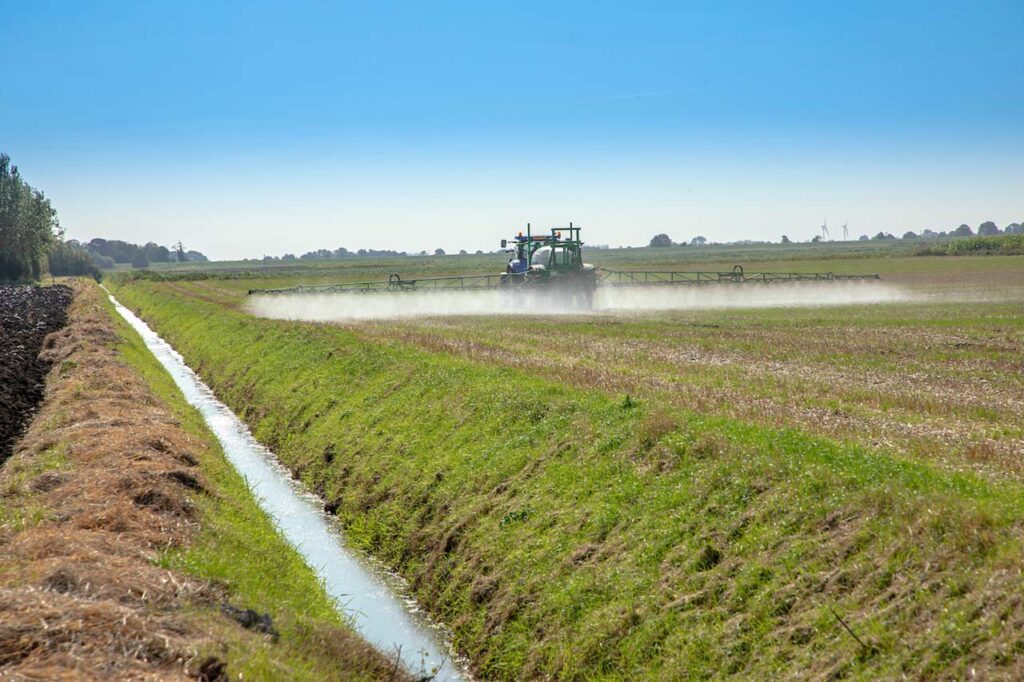
In general, these regulations require all those who use and/or permit the use of pesticides to take reasonable precautions to protect all parts of the environment (habitats, water, birds mammals, insects, etc.) when storing, handling, using and disposing of products.
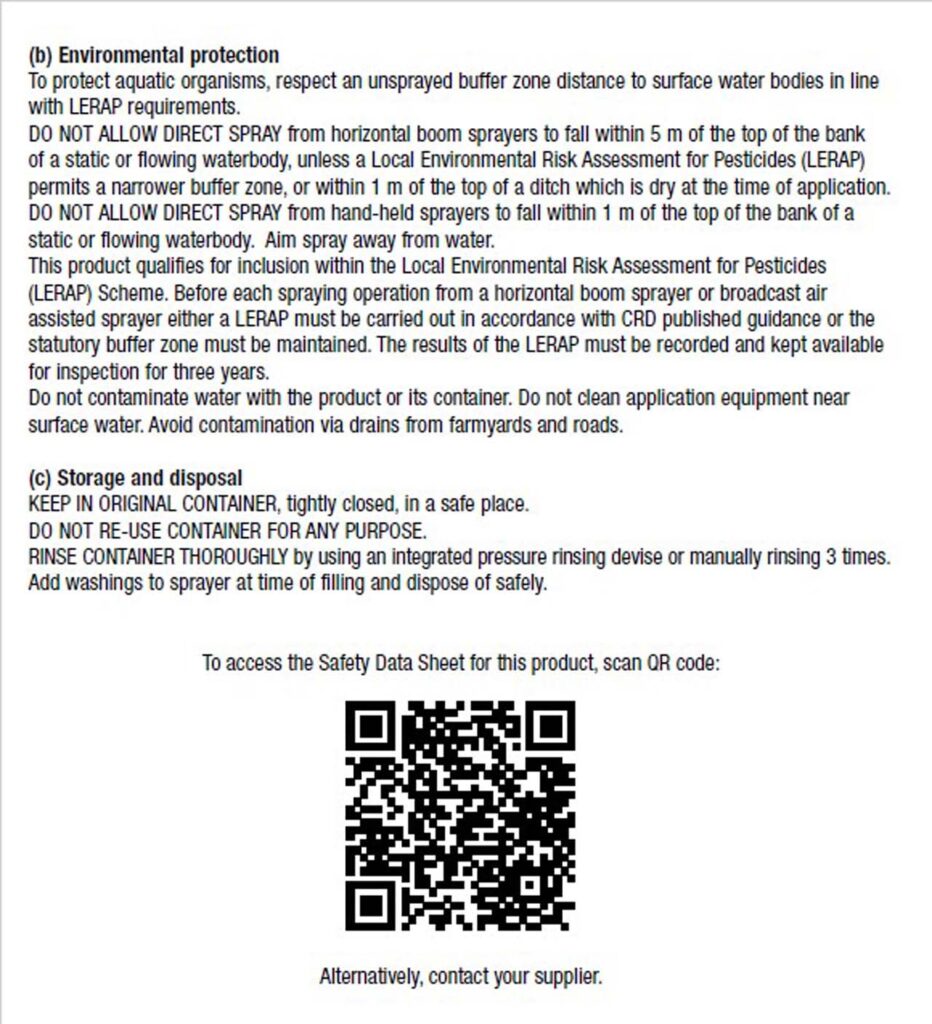
There is always a legal obligation to read the label and check the information under the ‘Environmental protection’ heading. The regulations also specifically require preference is given to products not classified as harmful to the aquatic environment when water is at risk.
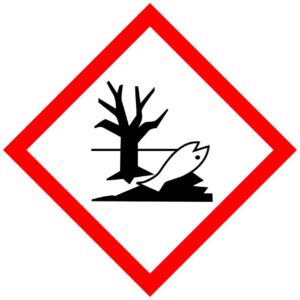
Products with labels that do not display the ‘hazardous to the environment’ symbol are preferred when spraying alongside watercourses.
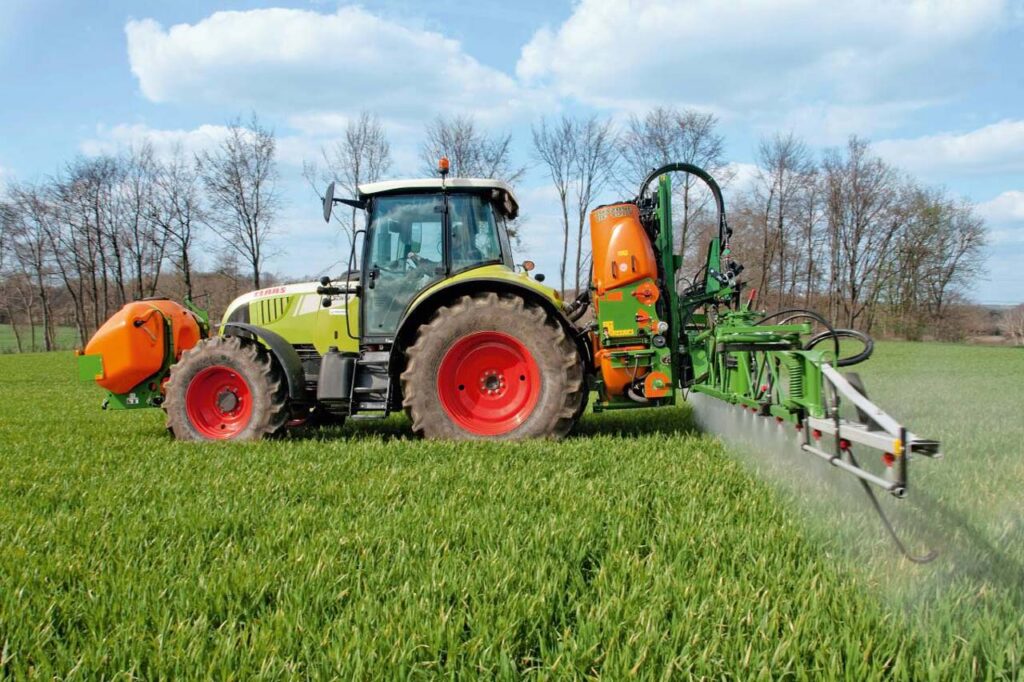
Keep on target
Crucially the Sustainable Use Regulations require product applications to be confined to the intended target, and operators must consider and address hazards such as drift and runoff.
Other legislation, such as the Wildlife and Countryside Act (1981), the Food and Environment Protection Act (1985), plus water protection related rules, must also be followed. Operators must always comply with the conditions of product approval and note that any conditions relating to environmental protection on the label are legally binding.
To understand which legislation applies and what is required, operators should refer to the Code of Practice for Using Plant Protection Products and the relevant sections of the Health and Safety Executive website. Although this can seem daunting, in practice many of the legal requirements can be met with the application of common sense and good practice.

Operator's role
Anyone using pesticides at work must, by law, ensure they are appropriately qualified for the task and be able to complete a suitable environmental risk assessment (ERA). This means operators must be able to assess the operation’s hazards to the environment, recognise the circumstances that may give rise to hazards occurring and then take appropriate action to protect the environment.
All operators should complete an ERA before applying any products and strictly comply with it during the application.

How to make an ERA
The first step is to identify the wildlife and habitats that exist in and around the area to be treated. Some typical features given in the Code of Practice include surface waters, ground water, habitats such as hedgerows, woodlands and rough grassland, wild plants as well as people and animals.
Although many operators will be familiar with their work areas, it’s important to check the habitats and species before each application, because some features may change – such as water levels in ditches.
Operators then need to consider the species that are likely to be present and/or using the habitats (birds, mammals, bees and insects, plants etc) when the treatment is made and how they could be contaminated e.g. spray drift, run off, field drains, etc.
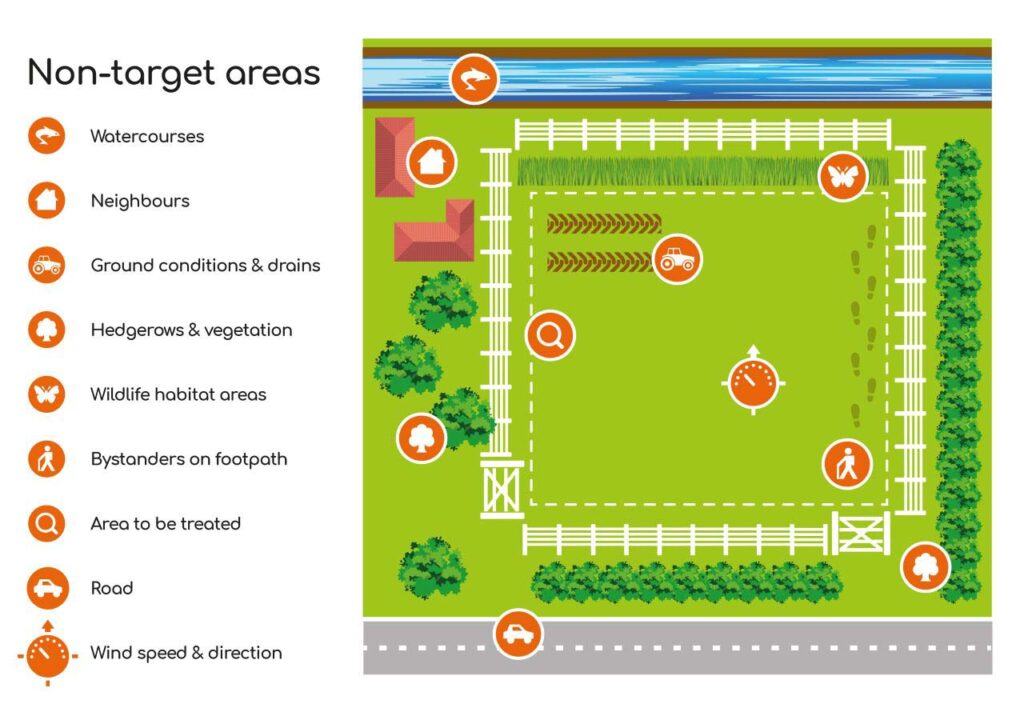
The next decision is about the actions that they will need to take to reduce the risk of the application to the habitat and species. Actions must be specifically related to the site features at the time they are treated.
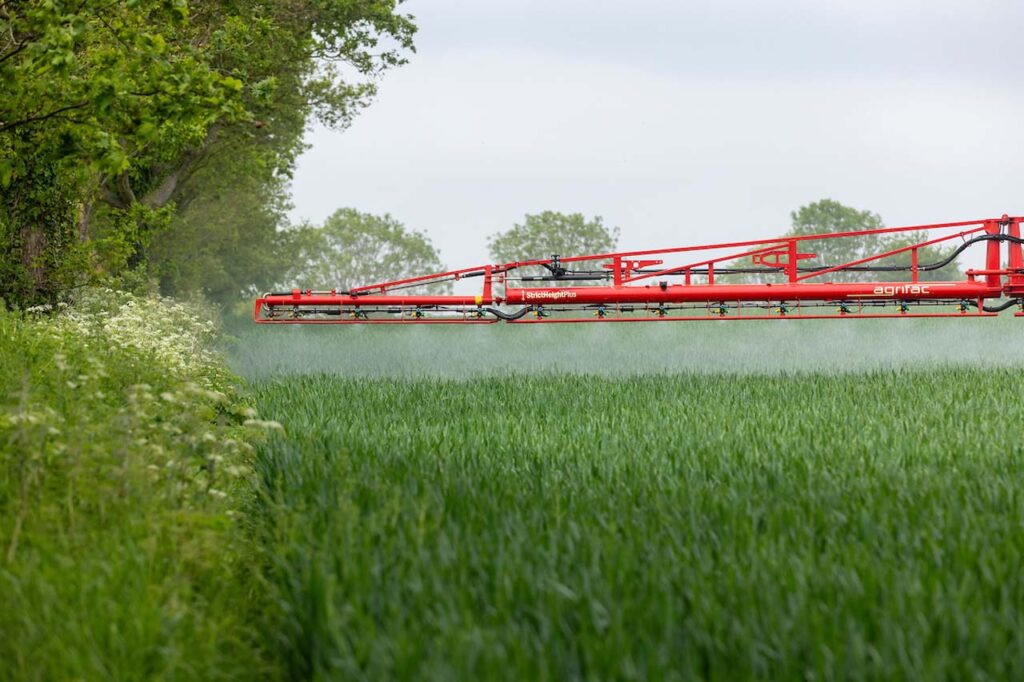
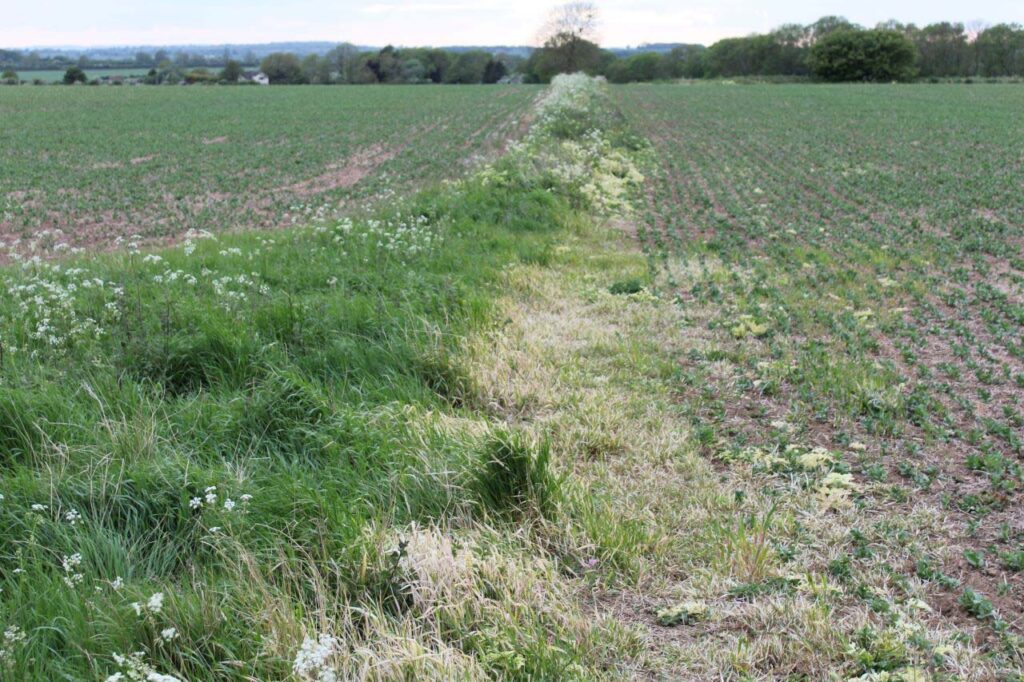
Spray drift, for example, is the principal hazard that could cause adverse impacts on wildlife, such as an insecticide drifting onto an area where beneficial insects or bees are present. This involves thinking about spray quality, wind speed at nozzle height, boom height and local atmosphere stability.
Operators must always check wind direction and speed, ideally the latter with an anemometer in the spraying location. The safest spraying condition is a steady breeze (Force 2) blowing away from susceptible areas.

If wind speed and direction are unsuitable for spraying operators should choose carefully whether to proceed. However, even in suitable conditions some drift is possible. Operators could then include the drift control measures by choosing low drift nozzles, keeping the boom as low as possible, consistent with an even spray deposition, and the option to coarsen spray quality by either reducing spraying pressure or switching to a coarser nozzle.

Operators must record their full ERA and retain this for three years, alongside other environmentally related records, such as LERAPS.