Hitting the target
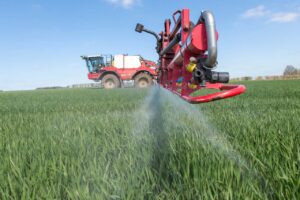
All spray applications aim to cover the whole target with a suitable number of adequately sized droplets, created by the nozzles. The goal is to achieve the best spray coverage, which is the degree of contact between the droplets and the target surface area.
Operators can control many of the factors that determine spray coverage, which include: nozzle size and type, sprayer pressure, nozzle height and condition, water volume, forward speed and time of application.
However, it’s difficult to visually check the in-field spray coverage achieved immediately after the application. This is where water sensitive paper comes in, allowing operators to quickly monitor spray coverage and the impact of any changes to set-up.
Water sensitive paper
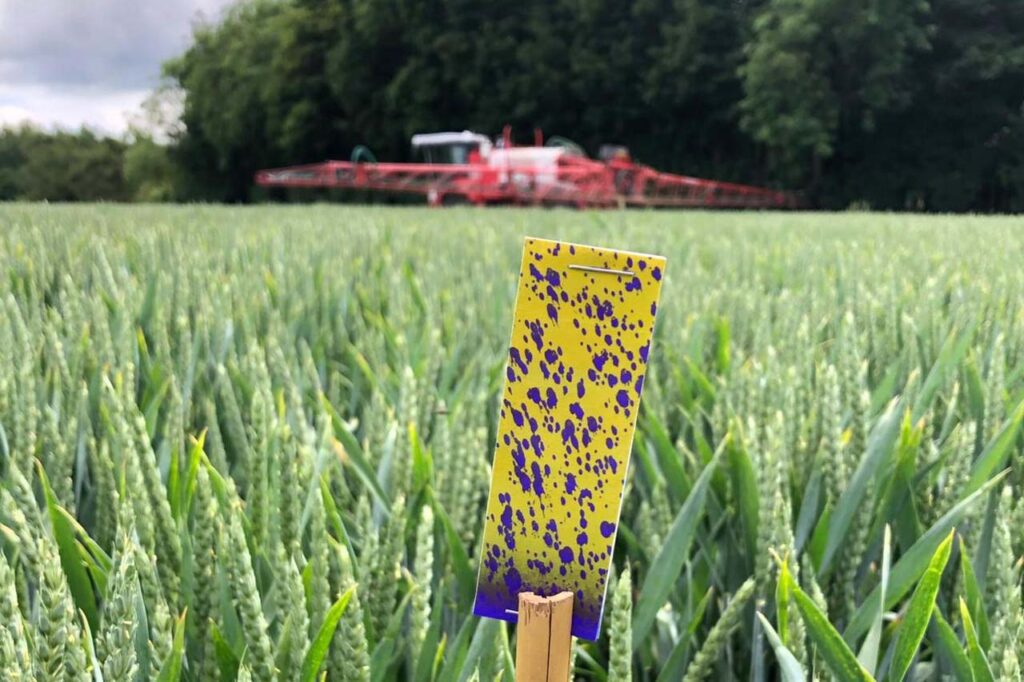
Water sensitive paper (WSP) are strips of stiff yellow paper with a specially coated surface that is stained blue when exposed to water-based liquids. These are simply placed in or around the treatment area and sprayed over. After they dry the droplet pattern will show up as blue spots and this can be used to determine coverage.
Buying and handling
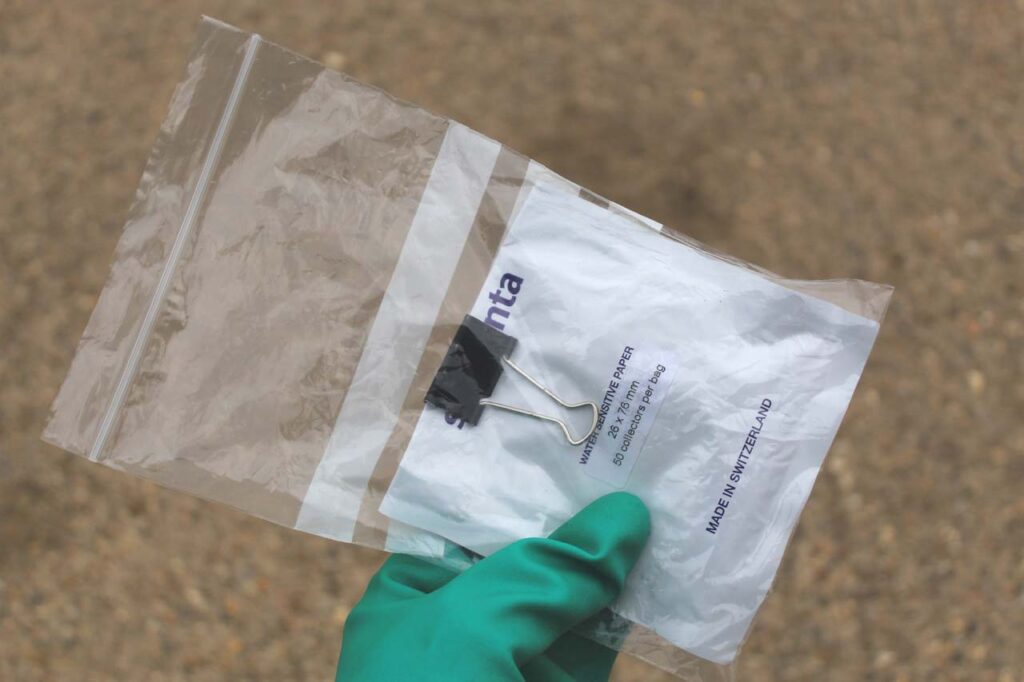
WSP strips usually measure 26mm x 76mm and come in packs of 25 or 50 costing about £35 and available from a range of suppliers, including Syngenta and Pentair Hypro.
Obviously WSP is extremely sensitive to moisture, so should be kept in its sealed pack until needed. While strips will keep for a long time in unopened packs, they can quickly deteriorate when the seal is broken.
WSP quickly reacts to moisture, so always handle strips by their edges wearing DRY gloves or using tweezers.
To help preserve any unused strips, they should be left in their original packet, resealed and stored in a second sealed plastic bag in a dry place.

Weather conditions
Choose the right day, with good conditions to use WSP. It’s clearly not suitable for use in wet or damp weather – if you wouldn’t normally spray then don’t use the paper. If in doubt, place a strip of water sensitive paper in the treatment area and check for any colour change prior to spraying.
Mounting paper
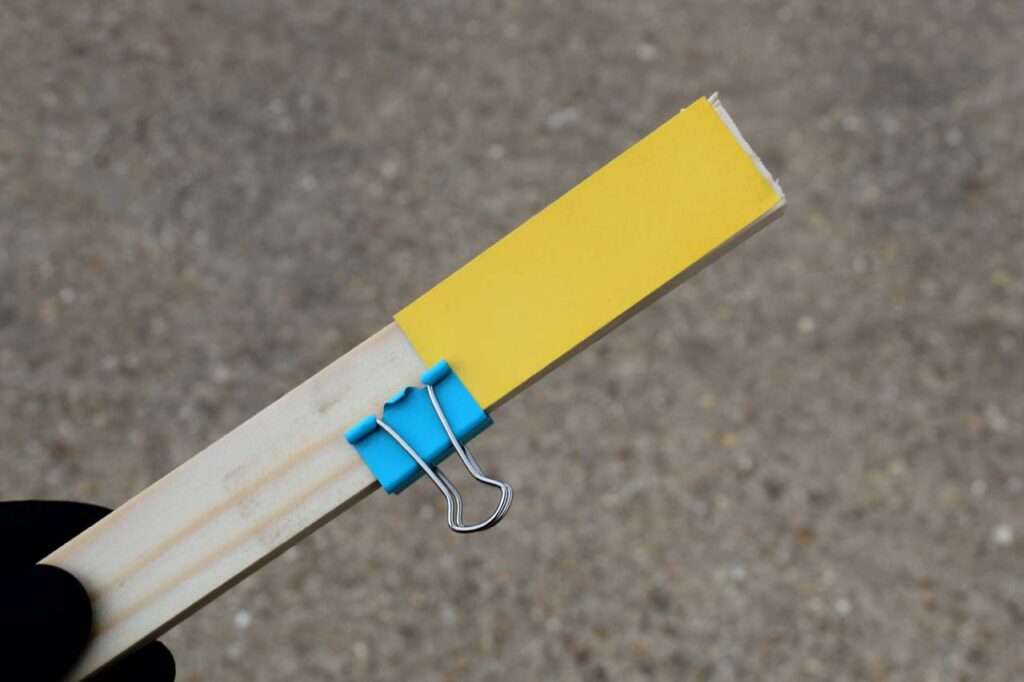
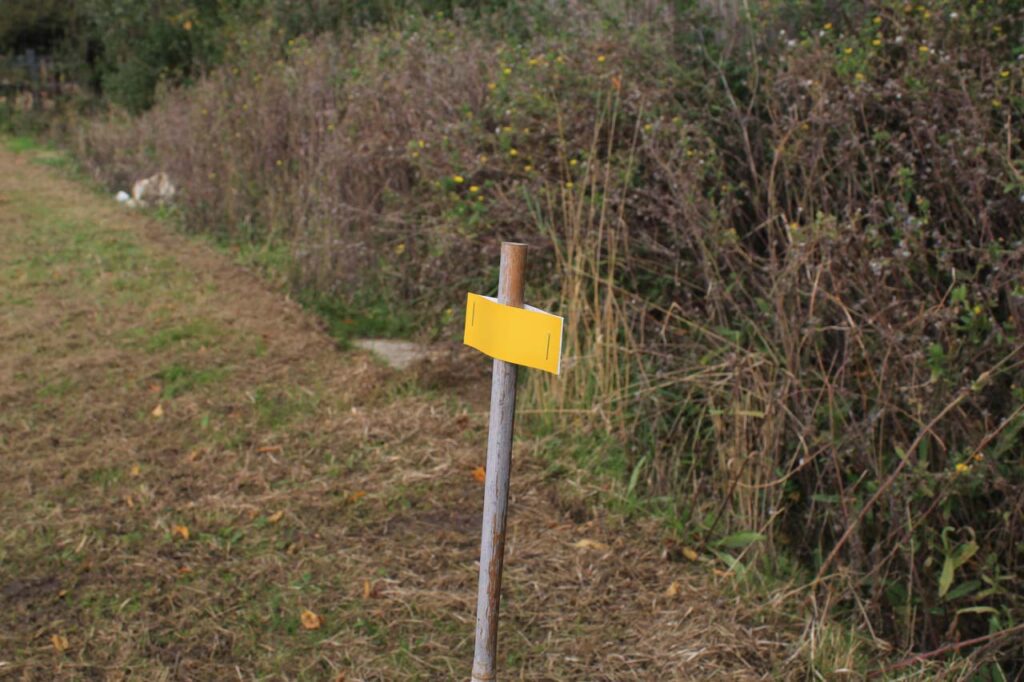
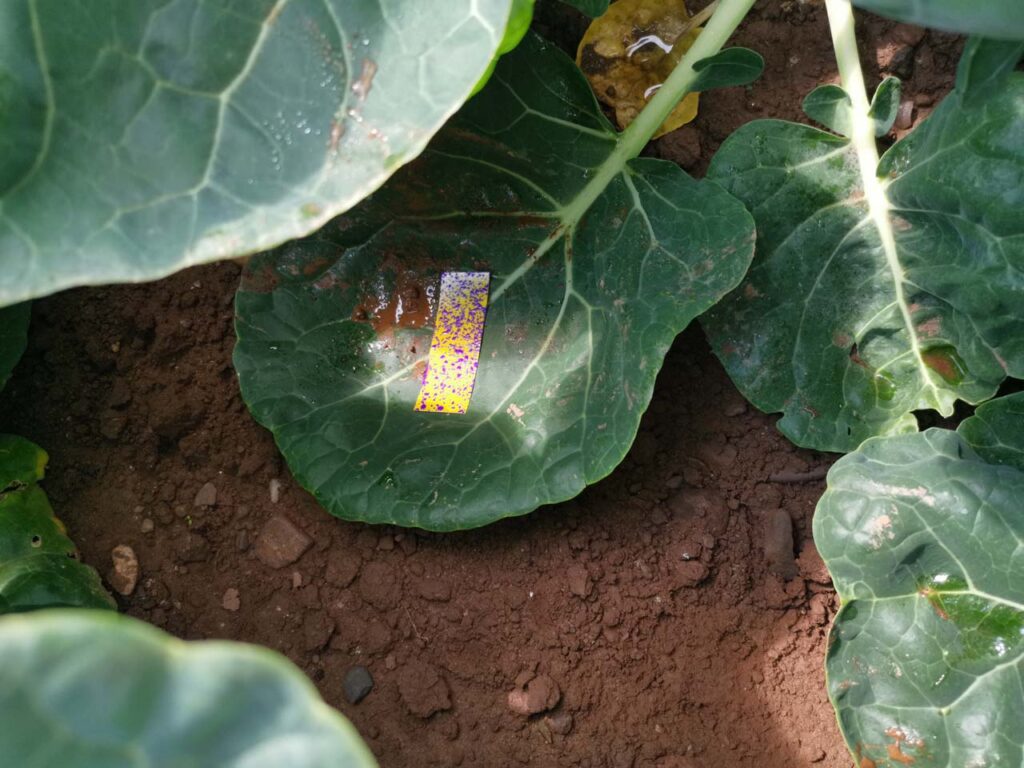
It’s best to use some form of mount to hold the WSP steady – in the same position as the target when spraying. There are many ways of doing this, including clipping or stapling them to canes or fitting them to blocks on the ground – but they must always be kept dry until the application.
Remember, whatever the mounting, it’s important to ensure the WSP is easy to remove without damaging the surface or the pattern after spraying.
After spraying is complete the strips should be left until the droplets are dry before being handled. Continue to handle strips by the edges, wearing gloves or using tweezers.
Operator tip:
FSOOTY finalist, Steve May, wraps WSP strips around a wooden block, to simulate clod shading, when he is assessing the coverage and distribution when he is applying pre-ems.
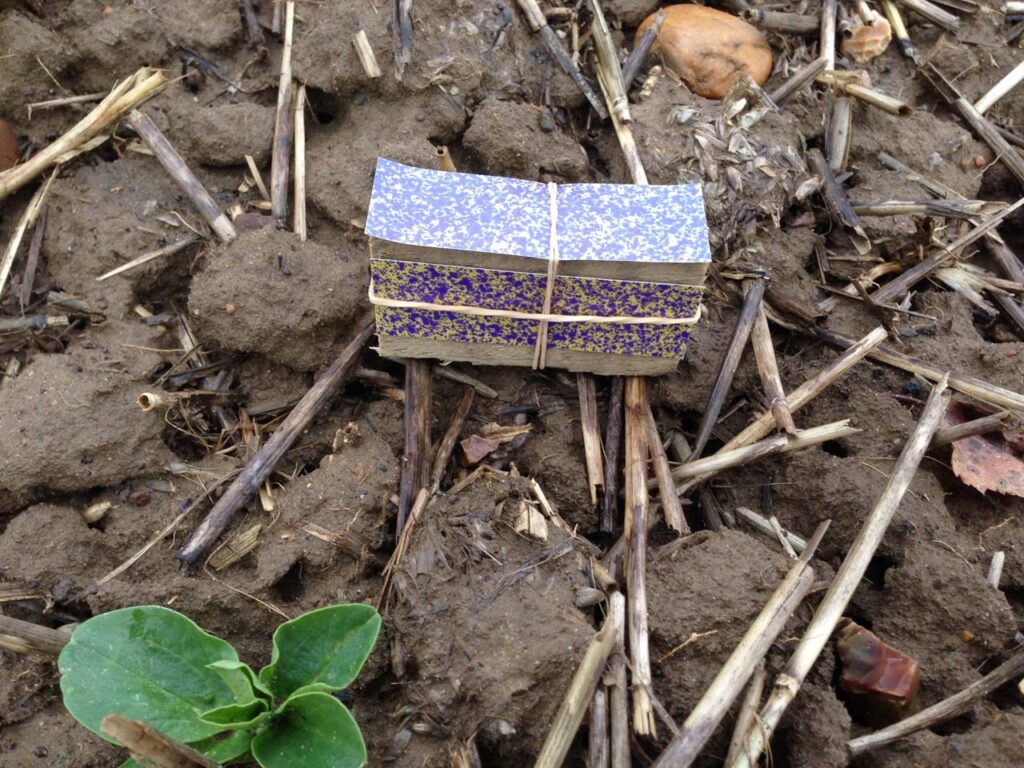
Spray coverage
WSP strips are usually used in one of two ways, or both: A simple visual assessment of the pattern on the papers for the evenness of spray coverage and/or a more detailed analysis of spray coverage percentage using image processing.
Whichever is being undertaken, it’s important to also note the key factors that could determine the spray coverage, such as nozzle type, pressure, boom height, etc. These will form an important record for any future reference.
Spray distribution
A visual assessment of the WSP strips can provide a quick, general analysis of the distribution and coverage achieved by a spray application. Using the strips for this can help operators identify any inconsistencies in spray coverage, which may be the result of over- or under-dosing.
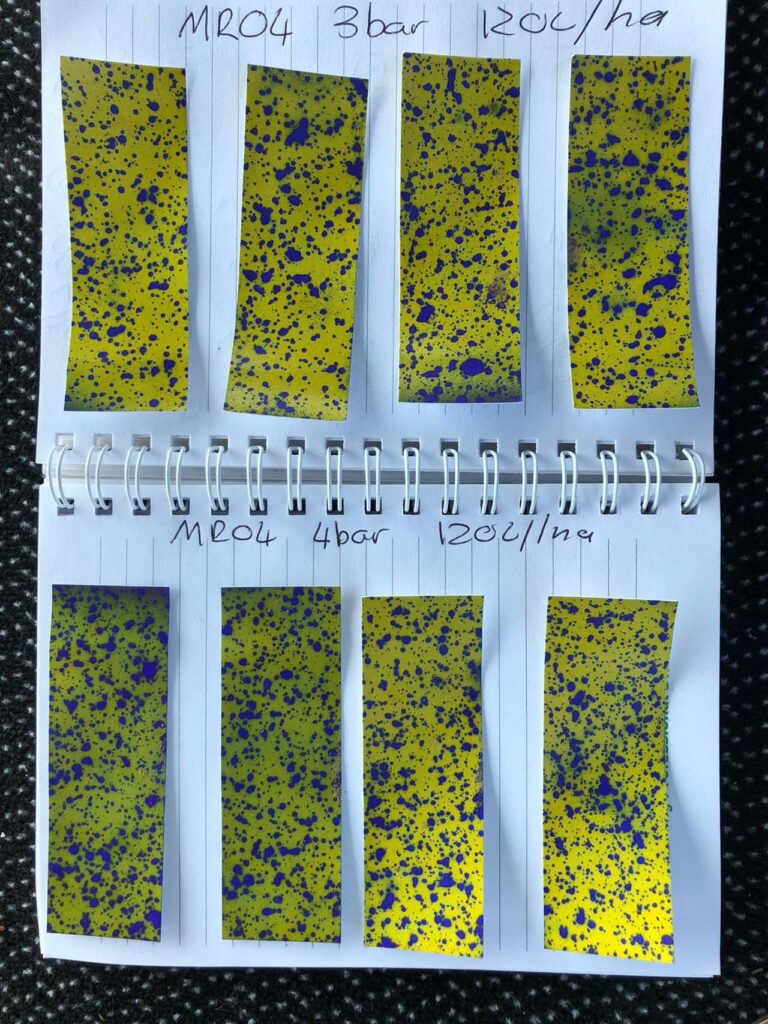
This is done quickly by laying out the sprayed papers near each other, in the order they were across the boom. Look for areas of heavily covered paper, with no defined droplets or evidence of running liquid. This may indicate relatively high dosing, while areas of the strips that have only sporadic or minimal blue specks may indicate a relative low dose.
Spray drift check
Water sensitive paper is as an effective way to check for spray drift and the risks of any off-target contamination. Place WSP on canes outside the application area and then simply check them for any spray deposits. Obviously, papers should show no droplets.
Smart phone app analysis
A free smartphone App offers a quick and easy way to analyse droplet coverage on WSP to determine the percentage of the strip covered by droplets (blue area).
Called ‘Snapcard’, the App enables operators and farmers to assess spray quality. Developed and made available by the Australian Department of Primary Industries and Regional Development, it is free to download:
Android here:
https://www.appbrain.com/app/snapcard/com.dafwa.snapcard
Apple IoS here:
https://apps.apple.com/us/app/snapcard/id732696197
Using the App to analyse sprayed strips is quick and straightforward. To get the best from this, however, it’s important to first carefully consider how to use, and assess, the results of image analysis.
Spray coverage standards
For routine spray coverage checks it’s best to first prepare a set of ‘benchmark’ WSP tests and process these using Snapcard. These will become your own set of ‘standard’ coverage data for individual applications, which may also include changes to the sprayer set-up, to be compared with subsequent treatments.
This set of ‘standard’ results will enable operators to check the relative spray coverage is meeting expectations and show the impact of any adjustments.
Operators should select a ‘typical’ basic sprayer set up, which includes their standard nozzle size and type, sprayer pressure, boom height and forward speed.
For example:
Variable pressure flat fan nozzle (04 size red)
Spray pressure: 2 bar
Spray quality: medium
Boom height: 50cm above the WSP
Forward speed: 10km/h
This can then become the benchmark that can be used to assess the spray coverage and impact of changes to sprayer set-up.
Snapcard tips
For best results using Apps, such as Snapcard, it’s important to follow a consistent routine when processing and testing WSP images. This will help limit any inaccuracies impacting on coverage analysis.