How to stop the froth
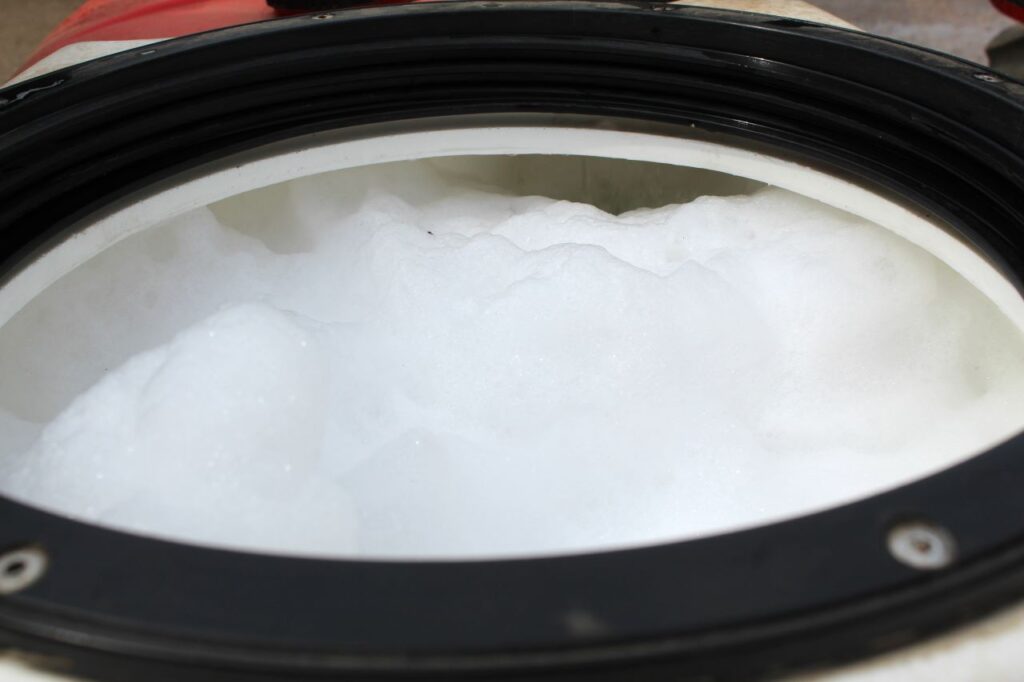
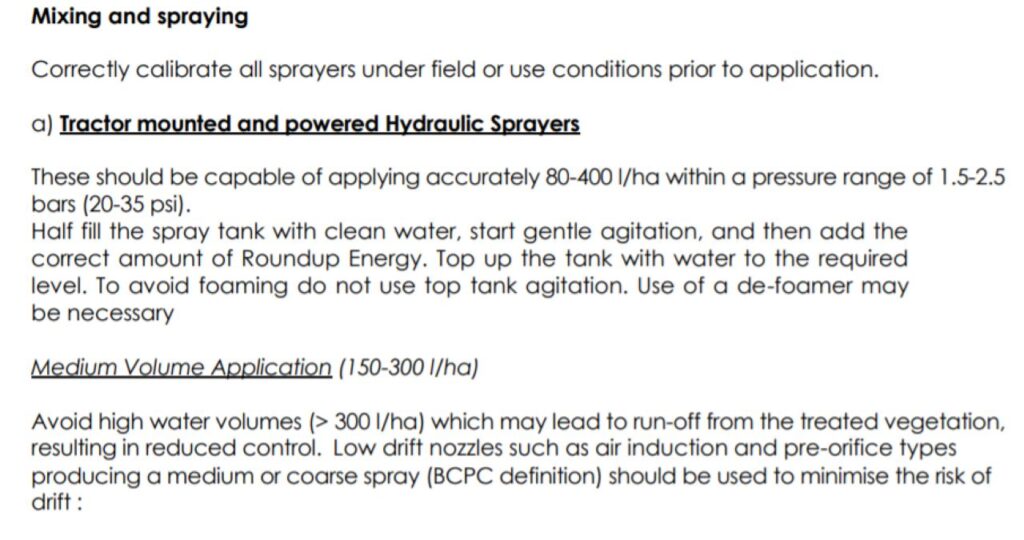
Excessive foaming poses a risk to the environment and causes significant frustration for operators. If foam gets into the spraylines, it can also cause irregular application and, at the end of day, can be difficult to remove during cleaning.
The main cause is air mixing with the spray solution. This can come from over-aggressive agitation of dilute spray mixes or a fault with the sprayer, but it is most likely to occur when filling the empty tank.
Spray mix foaming up and being forced out of the overflow is the most common cause of chemical spills at filling sites. This often catches operators by surprise.
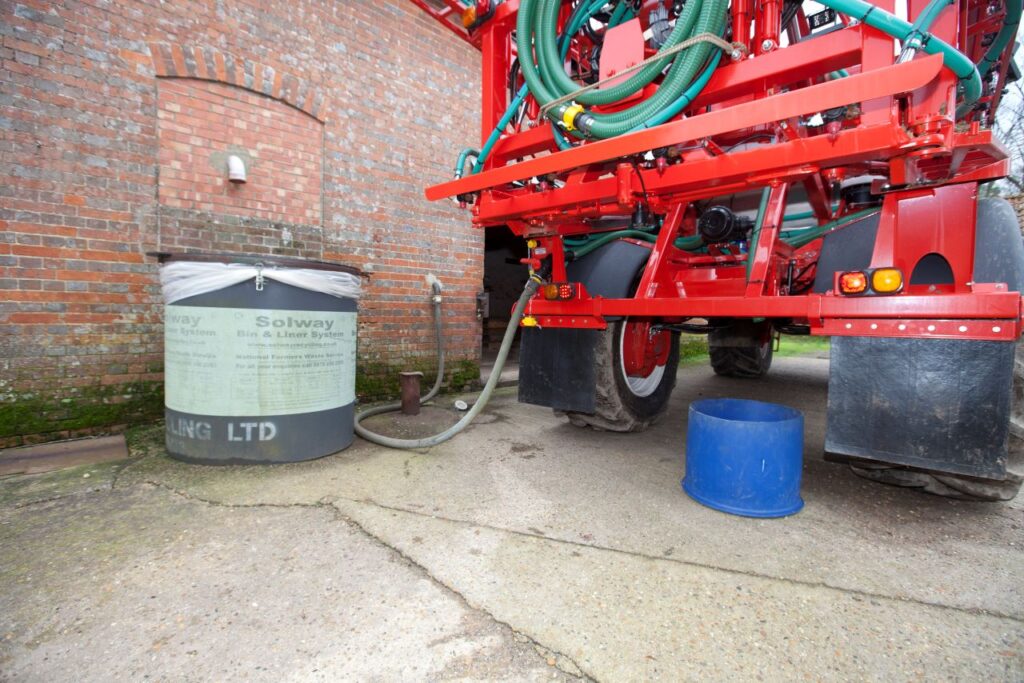
If it takes five seconds to turn off the sprayer, a 4,000-litre machine will have dumped 33 litres of spray mix on the ground in the meantime. Placing a cut-down 50 litre capacity drum under the overflow pipe during filling, can help prevent pollution. The contents can be returned to the tank through the induction hopper (which should have a catch tray placed underneath).
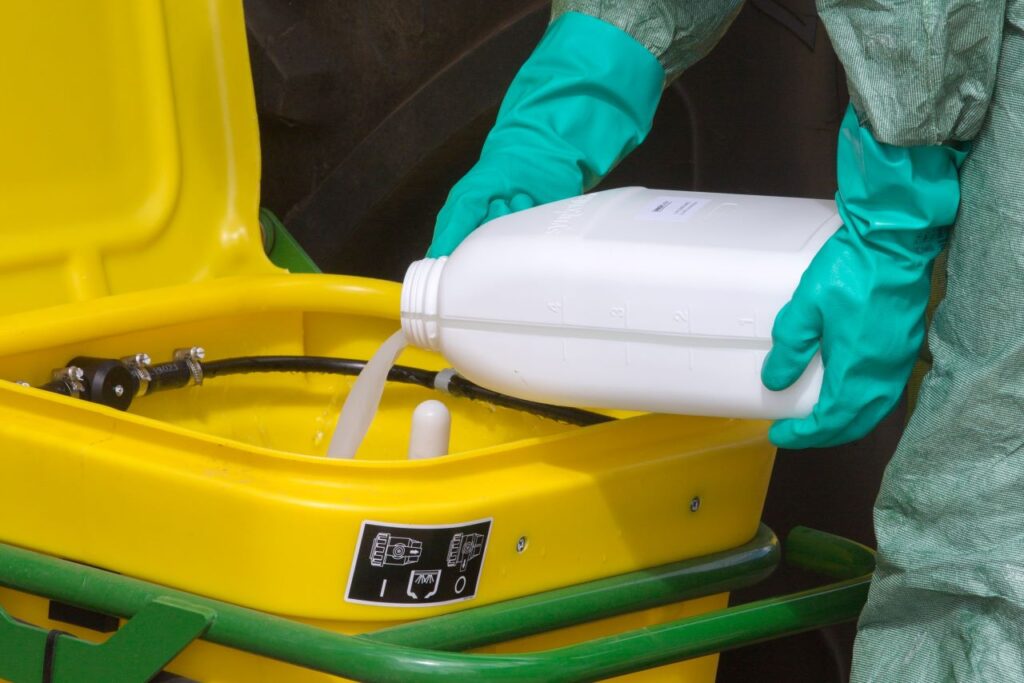
Pouring products
Many operators will try to cut the risk of foaming by adding products to the tank slowly and reduce the agitation during filling. But this can significantly increase filling times and it’s no good for products that require aggressive agitation.
Prevention is always better than a cure, so it’s crucial to take steps to minimise the problem.
Product labels
Always read the label – they provide best practice guidance on how to mix and fill the product. Look for and follow any instructions, particularly for those where foaming is a known problem.
Labels on products that are liable to foaming, including some containing glyphosate, will often advise not to use top of tank agitation. This could include also fast-fill hoses that empty directly onto the liquid in the tank.
Top tank agitation is a significant source of foaming and labels often advise these and inlets are switched off.
Mixing and filling
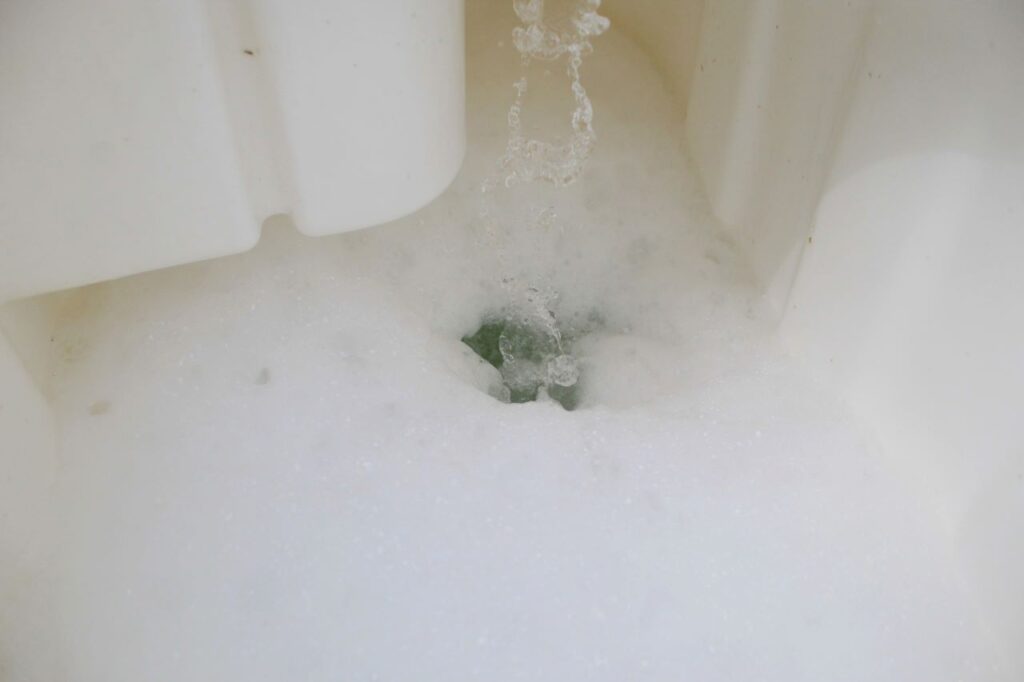
Mixing, during the filling process, can often cause excessive foaming. Ideally, the sprayer’s filling and return hoses and those from the induction hopper, which carry liquid into the main tank, should extend to the bottom.
This will ensure their outlets are below the liquid level prior to adding products. This helps limit air mixing with the spray solution and reduces the potential for foaming.
Also remember to check the tank wash nozzles are turned off before filling.
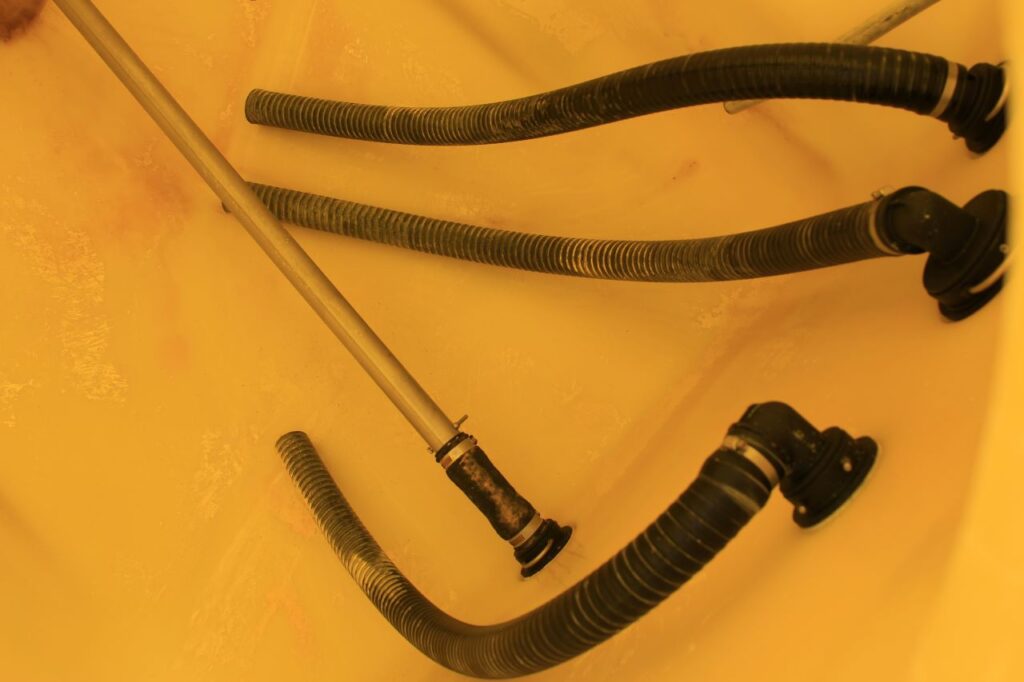
Always ensure half the required water is in the tank prior to adding any products. A simple and effective precaution is to measure and record the minimum volume of liquid required in the main tank to cover each of the filling and return hose outlets. This will identify the minimum fill level required to help avoid foaming.
Adjust the agitation
Most operators know to reduce the risk of foaming it’s a good idea to limit pump speeds and filling cycle liquid flow to only that required for filling, as well as avoid using too vigorous agitation. But you must also ensure there’s still sufficient flow to enable the induction hopper to work correctly and provide effective mixing.
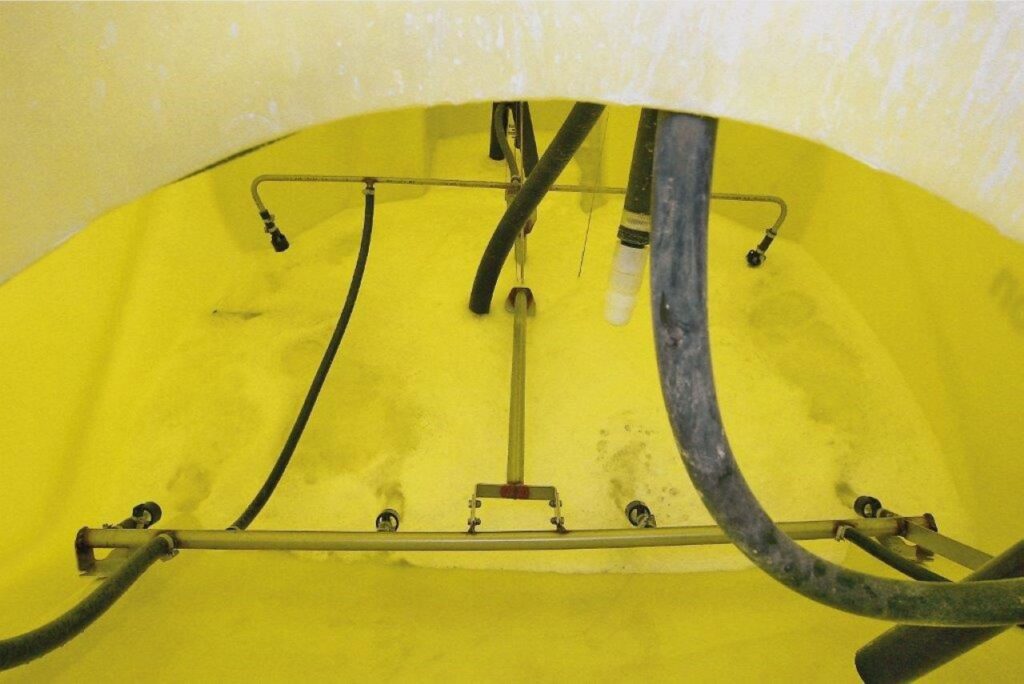
Some hard-to-mix formulations will require additional agitation to ensure they are adequately distributed in the spray solution. Be aware, however, using tank agitation nozzles, especially ones in the top of the tank, can cause foaming.
Turning off the agitation as tank levels fall will help prevent foaming. Similarly, always check the tank wash nozzles are off during filling and spraying.
Avoid air leaks
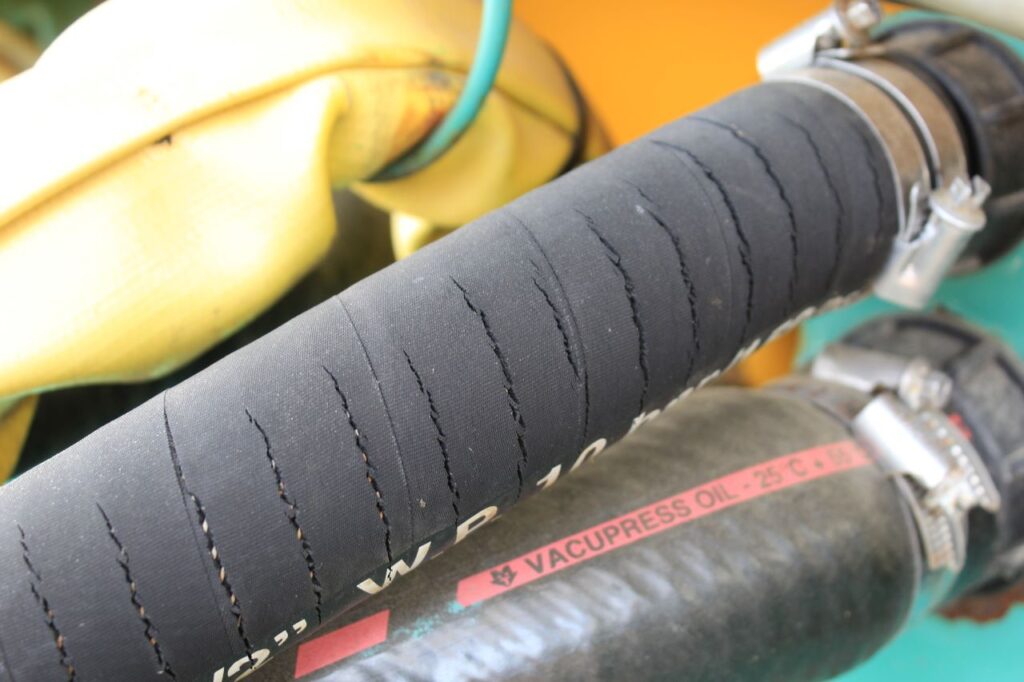
Air being introduced to the sprayer is likely to cause foaming. So ensure induction hoppers are turned off and don’t suck in air after the product has been added. Also check suction hoses carrying liquid from the tank to the pump.
Damaged or split hoses and/or the pump itself can also let air into the liquid flow, causing foaming.
Do not allow the induction hopper to run dry and suck in air, which will cause foaming in the tank.
Foam Suppressants
If excessive foaming in the tank becomes a persistent problem there is the option of adding a foam suppressant. Typically, these are silicone-based products that disperse the froth and cost about £35/litre, which is enough to treat 7,000 litres of mix.
To be effective they need to be included in spray solutions before a large amount of foam is generated and are often added after the first product. Remember to also turn down the agitation aggression to help aid the suppressant performance.
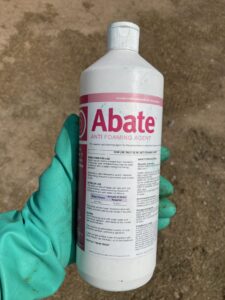
Anti-foam agents can be added to the spray mixture to reduce the risk.